Brazilian Social Democracy
Current of Brazil's PSDB, founded in 1988 by Covas, Montoro and Cardoso, joining a market economy, social state, state reform and fiscal responsibility with parliamentarism and moderation on social issues.
Compare with…Home / Ideologies / Brazilian Social Democracy
Current of Brazil's PSDB, founded in 1988 by Covas, Montoro and Cardoso, joining a market economy, social state, state reform and fiscal responsibility with parliamentarism and moderation on social issues.
Compare with…In one sentence
I want a parliamentary democracy with stable money, balanced books, regulated privatizations and a lean state that looks after health and schooling.
Political axes
Leans further toward free trade than 74% of the 276 ideologies in the catalog.
Of all the axes, Trade is where it stands furthest from the rest.
On Religion, it sits practically at the catalog median.
Here it shares common ground with most ideologies.
Analytical Summary & Scientific Audit
Brazilian Social Democracy belongs to the Center political family across the 12 Axes framework. Core measured positions: Representation: 78% Democracy; Geopolitics: 68% Pacifist; Trade: 66% Free trade; Immigration: 65% Multiculturalism.
1990s–2000s Brazilian PSDB tradition (Covas, Cardoso, Montoro): Real Plan, regulated privatizations and Fiscal Responsibility Law alongside SUS healthcare and FUNDEF schooling (`economia` `50.0 -> 44.0`).
Primary sources & scientific datasets
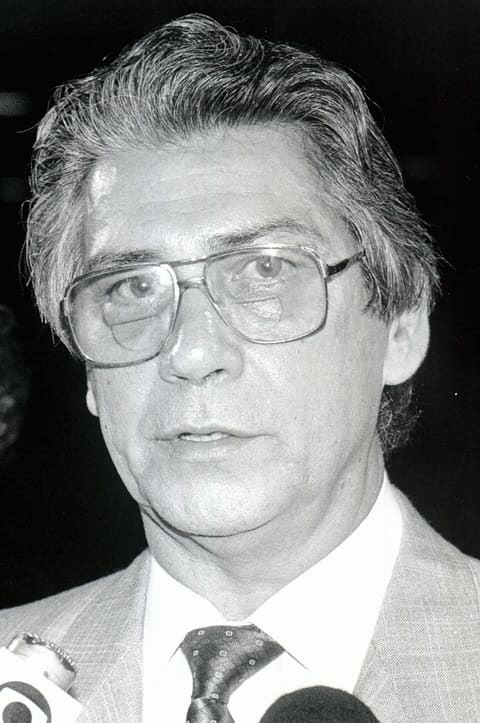
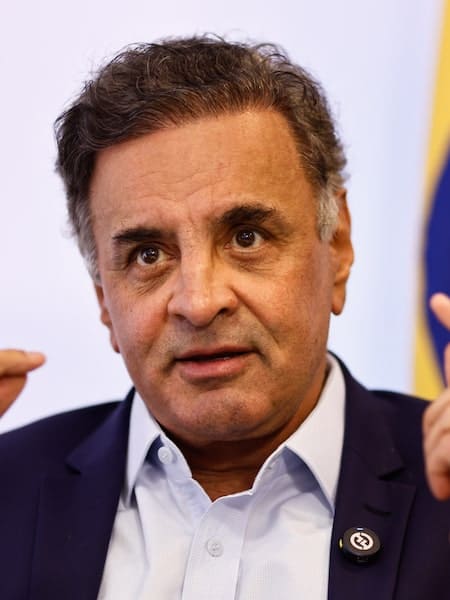
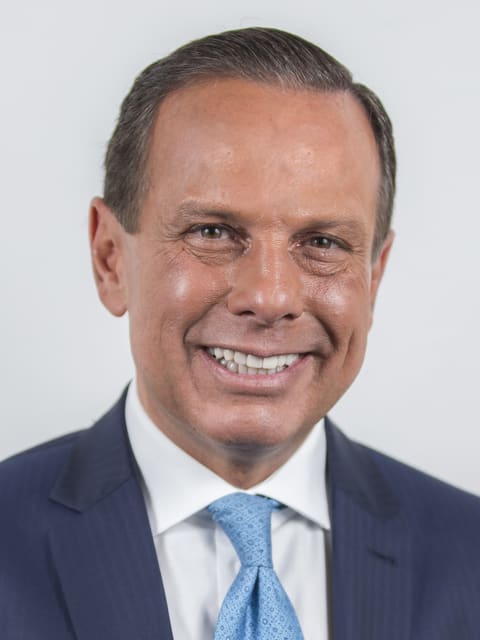
Opposition leader stripped of his mandate by the dictatorship and founder of the PSDB, Covas called for a capitalism shock in the 1989 campaign and, as governor of São Paulo, pursued fiscal adjustment, privatizations and concessions with a social democratic, ethical message.
Closest, by dimension

Other compatible profiles

The most distant
Reference country
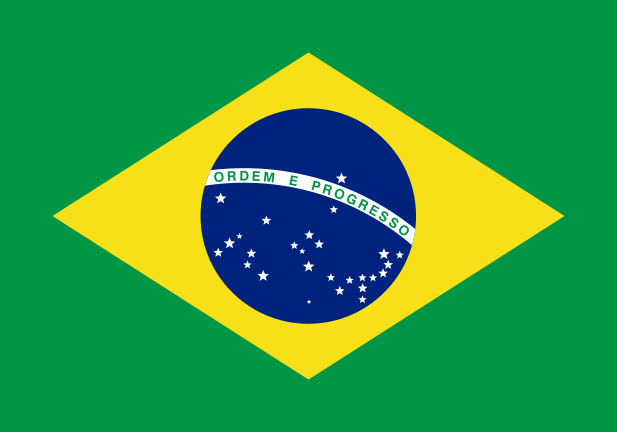
The largest country in Latin America, Brazil is a democratic presidential federal republic with a mixed economy, broad social policies, and strong regional, cultural, and political diversity that shapes its electoral disputes.
Other close countries
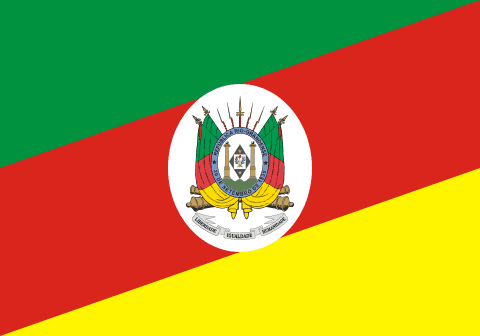
Brazil's southernmost state, Rio Grande do Sul has a strong regional identity and a tradition of polarized political disputes, with an economy built on agribusiness, ranching, and industry.
Also close, by dimension

The most distant
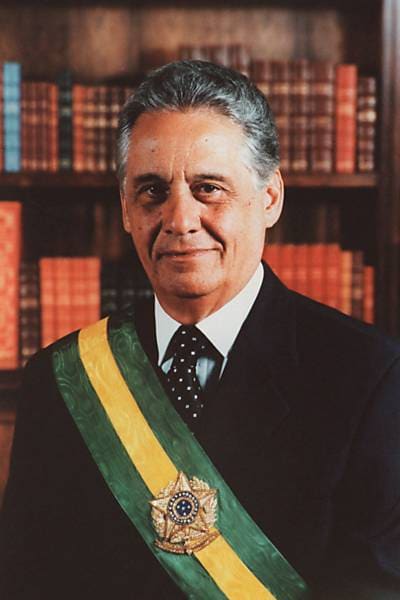
With Fernando Henrique Cardoso at the Finance Ministry and then in the Presidency, Brazil stabilized its currency with the Plano Real, privatized state firms and adopted a Fiscal Responsibility Law, in a democracy that approved presidential re-election.
Also close, by dimension

The most distant
Ideological proximity
Closest within Center
Political stance that judges proposals by the practical results they produce rather than fidelity to an ideological dogma, combining market measures, regulation, and social policy according to evidence and each problem's context.
Liberalism that defends democracy, individual rights and a market economy, but tests each policy against evidence: it accepts regulation, a safety net and targeted intervention when they fix market failures, as in Clinton's Third Way.
Centrist branch that accepts the market economy but prioritizes social protection, public services, gradual reforms, and institutional consensus to reduce inequality without political rupture or permanent polarization.
Closest in other spectrums
Current inspired by John Maynard Keynes that accepts markets and liberal democracy but gives the state the task of managing demand, with countercyclical public spending, full employment as a goal and a mixed economy.
Doctrine proposing a democratic and federated global political order where citizens and nations deliberate jointly through multilateral representative institutions and lawful cooperation.
Model associated with Brazil's Workers' Party governments that seeks growth with social inclusion, combining rising minimum wages, popular credit, cash transfers and public banks without breaking with the market.
The most distant ideology
Stalinist SocialismRadical Left32%