Home / Parties / Qajar Dynasty

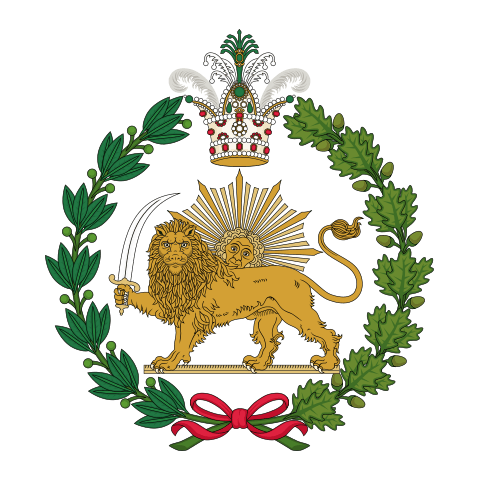
Dynastic houseHistorical period · 1789–1925Qajar Empire

Qajar Dynasty

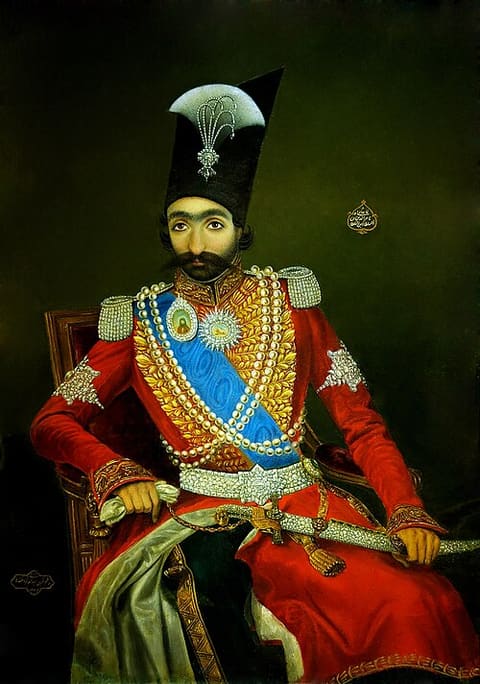
Turkic dynasty that ruled Persia from 1789 to 1925. A weak, tribal Shia monarchy, it lost territory to Russia, granted monopolies to foreigners, faced the Constitutional Revolution (1906) and was deposed by Reza Shah.

Predominant spectrum
Far-Right
Closest ideology
Authoritarian Neoliberalism
Closest personality
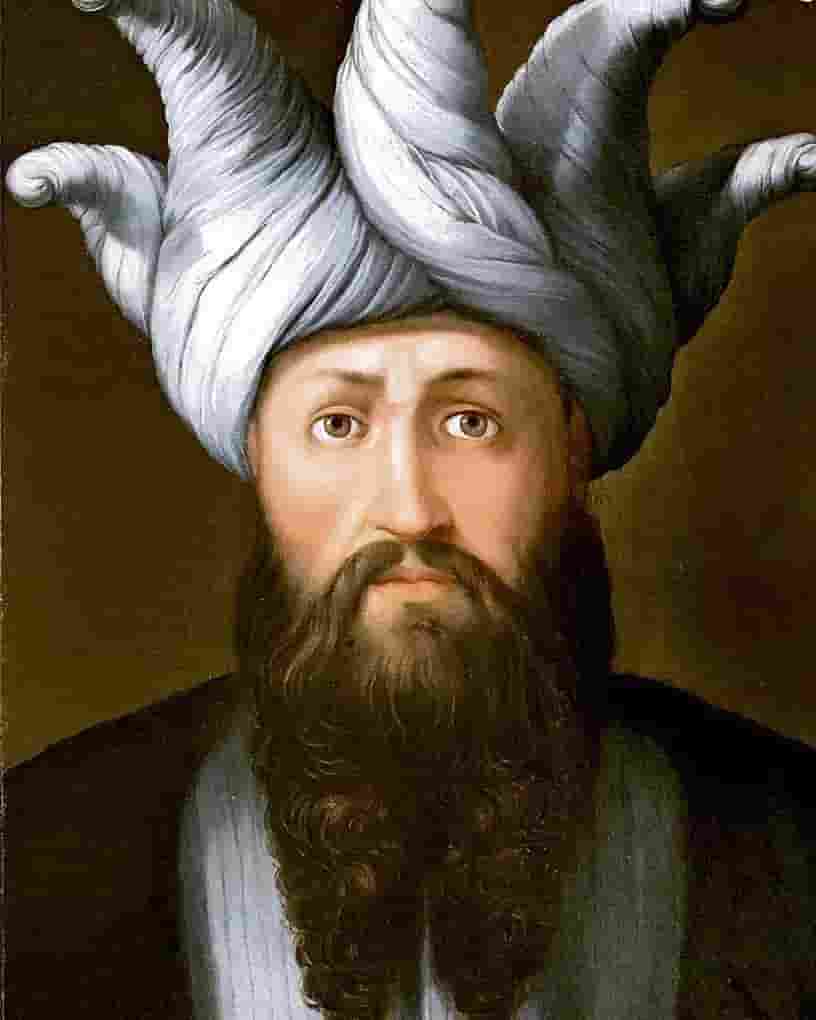
Saladin
Compare with…

Political axes

Profile across the 13 axes

  • Structure

    Strong · Unitary
    Federal25%
    Unitary75%
  • Representation

    Very strong · Autocracy
    Democracy7%
    Autocracy93%
  • Power

    Strong · Security
    Security85%
    Liberty15%
  • Immigration

    Leaning · Assimilation
    Assimilation66%
    Multiculturalism34%
  • Geopolitics

    Strong · Militarist
    Militarist74%
    Pacifist26%
  • Sovereignty

    Balanced
    Sovereigntist52%
    Multilateralist48%
  • Economy

    Strong · Private
    Public25%
    Private75%
  • Control

    Balanced
    Planning53%
    Free market47%
  • Trade

    Strong · Free trade
    Protectionism25%
    Free trade75%
  • Religion

    Very strong · Religious
    Secular2%
    Religious98%
  • Morality

    Very strong · Traditionalist
    Progressive7%
    Traditionalist94%
  • Ecology

    Leaning · Productivism
    Conservation30%
    Productivism71%
  • Technoscience

    Balanced
    Acceleration55%
    Precaution45%

What sets Qajar Dynasty apart

Most unusual position

Representation

Leans further toward autocracy than 97% of the 207 parties and organizations in the catalog.

Party median 66Qajar Dynasty 7

Of all the axes, Representation is where it stands furthest from the rest.

Most common position

Immigration

On Immigration, it sits practically at the catalog median.

Party median 66Qajar Dynasty 66

Here it shares common ground with most parties and organizations.

Analytical Summary & Scientific Audit

12-Axis Synthesis & Primary Sources

Verified Methodological Grounding

Qajar Dynasty, Qajar Empire aligns with the Far-Right political family based on recorded legislative and historical behavior. Key measured positions: Religion: 98% Religious; Morality: 94% Traditionalist; Representation: 93% Autocracy; Power: 85% Security.

Calibrated from documented historical trajectory and institutional acts of the period.