Home / Countries / West Bengal (India)

Bengali populist Indian stateModern country

West Bengal (India)

A state in eastern India, West Bengal was ruled 34 years by the left and then by Mamata Banerjee (2011-2026), until the BJP won in 2026. It has a strong Bengali identity, Kolkata as cultural capital, 27% Muslims and a border with Bangladesh.

Predominant spectrum
Left
Closest ideology
Labourism
Closest personality
Michael Sandel
Compare with…
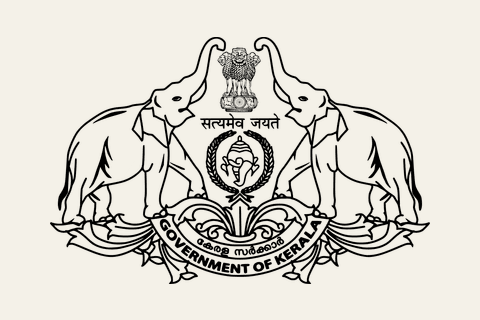
Flag: West Bengal (India)

Political axes

Profile across the 13 axes

  • Structure

    Leaning · Federal
    Federal65%
    Unitary35%
  • Representation

    Strong · Democracy
    Democracy84%
    Autocracy17%
  • Power

    Balanced
    Security54%
    Liberty46%
  • Immigration

    Leaning · Multiculturalism
    Assimilation41%
    Multiculturalism59%
  • Geopolitics

    Balanced
    Militarist45%
    Pacifist55%
  • Sovereignty

    Balanced
    Sovereigntist50%
    Multilateralist50%
  • Economy

    Leaning · Public
    Public69%
    Private31%
  • Control

    Leaning · Planning
    Planning70%
    Free market30%
  • Trade

    Leaning · Protectionism
    Protectionism59%
    Free trade41%
  • Religion

    Balanced
    Secular46%
    Religious54%
  • Morality

    Balanced
    Progressive51%
    Traditionalist49%
  • Ecology

    Balanced
    Conservation49%
    Productivism51%
  • Technoscience

    Balanced
    Acceleration51%
    Precaution49%

What sets West Bengal (India) apart

Most unusual position

Structure

Leans further toward federal than 80% of the 320 countries and regimes in the catalog.

Country median 27West Bengal (India) 65

Of all the axes, Structure is where it stands furthest from the rest.

Most common position

Sovereignty

On Sovereignty, it sits practically at the catalog median.

Country median 51West Bengal (India) 50

Here it shares common ground with most countries.

Analytical Summary & Scientific Audit

12-Axis Synthesis & Primary Sources

Verified Methodological Grounding

West Bengal (India) exhibits a predominantly Left institutional profile on comparative datasets. Core measured traits: Representation: 84% Democracy; Control: 70% Planning; Economy: 69% Public; Structure: 65% Federal.

Baseline vector referenced against comparative institutional, fiscal and trade indices (V-Dem, IMF, KOF).