Anarcho-Distributism
Synthesis of anarchism and distributism that defends the wide distribution of property and small-scale production, with autonomous communities and cooperatives organized without a state or large monopolies.
Compare with…Home / Ideologies / Anarcho-Distributism
Synthesis of anarchism and distributism that defends the wide distribution of property and small-scale production, with autonomous communities and cooperatives organized without a state or large monopolies.
Compare with…In one sentence
I want property widely distributed among cooperatives and autonomous communities, producing on a small scale without state or monopolies.
Political axes
Leans further toward federal than 98% of the 276 ideologies in the catalog.
Of all the axes, Structure is where it stands furthest from the rest.
On Morality, it sits close to the catalog median.
Here it shares common ground with most ideologies.
Analytical Summary & Scientific Audit
Anarcho-Distributism belongs to the Anarchist political family across the 12 Axes framework. Core measured positions: Structure: 99% Federal; Geopolitics: 96% Pacifist; Power: 89% Liberty; Representation: 88% Democracy.
Political current calibrated from primary treatises in political philosophy and history of economic thought (SEP / HET).
Primary sources & scientific datasets
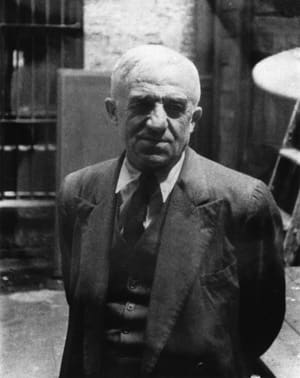
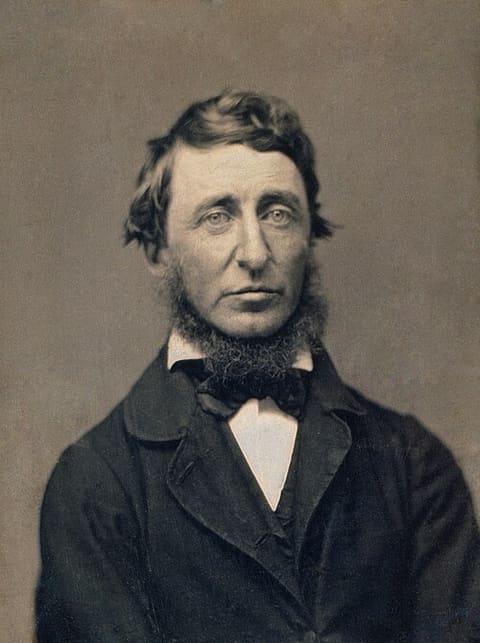
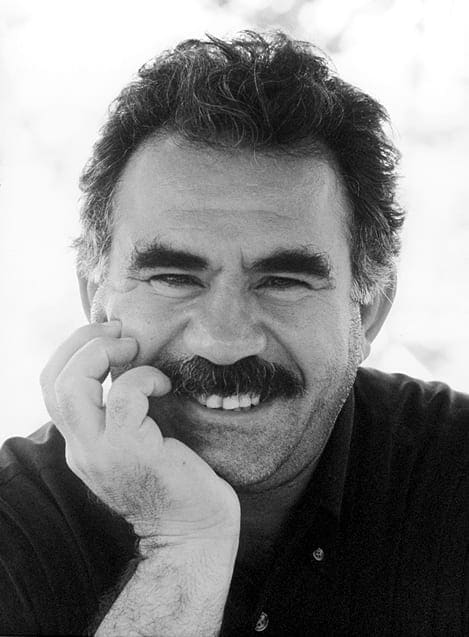
A French Christian activist, Maurin co-founded the Catholic Worker Movement, defending social justice, voluntary poverty, and communities of work and mutual aid inspired by the social doctrine of the Church.
Closest, by dimension


Other compatible profiles

The most distant
Reference country
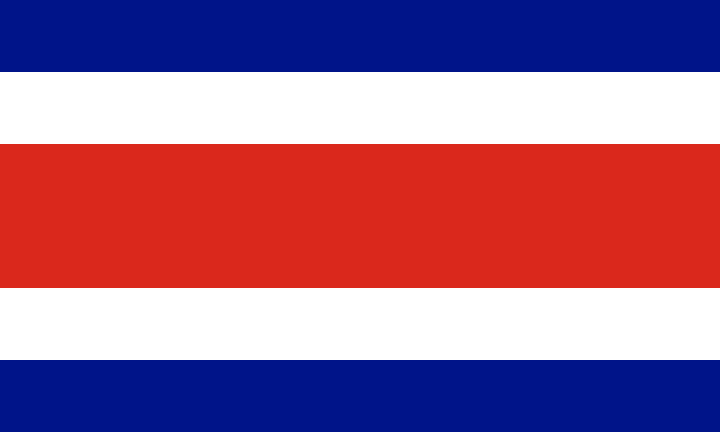
A presidential republic in Central America, Costa Rica stands out for abolishing its armed forces, its consolidated democracy, its environmental commitment, and a tradition of political stability and peace in the region.
Other close countries
Zapatista territories in southern Mexico, self-governed since 1994 by mostly Maya communities through caracoles and Good Government Councils, rejecting political parties and the state, with cooperative agrarian economy and strong women's leadership.
Also close, by dimension
The most distant

During the Russian Revolution, Makhno's Free Territory was an anarchist experiment in Ukraine, with self-managed peasant communes and popular militias that rejected both the White state and Bolshevik power.
Also close, by dimension
The most distant
Ideological proximity
Closest within Anarchist
Anarchist branch centered on the countryside, defending autonomous rural communities, collective ownership of land, and peasant cooperation, rejecting the state and land concentration in favor of self-management.
Neo-Zapatista movement that emerged in 1994 in southern Mexico, combining indigenous autonomy, direct democracy through assemblies and caracoles, cooperative subsistence economy, and refusal to seize state power, summed up as 'lead by obeying'.
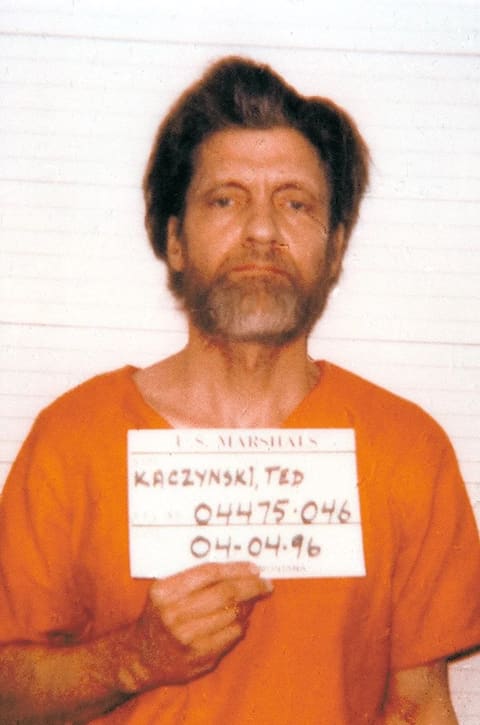
Current of John Zerzan and Ted Kaczynski that sees industrial civilization and agriculture itself as the root of domination, calling for the end of modern technology and a return to small stateless hunter-gatherer communities.
Closest in other spectrums
Current that values indigenous peoples and their rights, defending autonomy, territory, culture, and political participation, along with development models and a plurinational state that respect their traditions.
Current that attributes intrinsic value to all life and not only to human beings, defending a profound change of values, the reduction of human impact, and respect for the balance of the planet's ecosystems.
Doctrine of Christian inspiration that advocates the wide distribution of property and small-scale production, opposing both monopoly capitalism and state socialism in favor of autonomous communities.
The most distant ideology
National SocialismThird Position0%