Distributism
Doctrine of Christian inspiration that advocates the wide distribution of property and small-scale production, opposing both monopoly capitalism and state socialism in favor of autonomous communities.
Compare with…Home / Ideologies / Distributism
Doctrine of Christian inspiration that advocates the wide distribution of property and small-scale production, opposing both monopoly capitalism and state socialism in favor of autonomous communities.
Compare with…In one sentence
I want communities of small autonomous owners, with widely distributed property, rejecting monopoly capitalism and the socialist state.
Political axes
Leans further toward federal than 81% of the 276 ideologies in the catalog.
Of all the axes, Structure is where it stands furthest from the rest.
On Sovereignty, it sits practically at the catalog median.
Here it shares common ground with most ideologies.
Analytical Summary & Scientific Audit
Distributism belongs to the Center political family across the 12 Axes framework. Core measured positions: Structure: 80% Federal; Representation: 80% Democracy; Religion: 78% Religious; Technoscience: 75% Precaution.
Ideology calibrated from canonical comparative Political Science literature (Heywood, Bobbio, Freeden, MARPOR and CHES).
Primary sources & scientific datasets
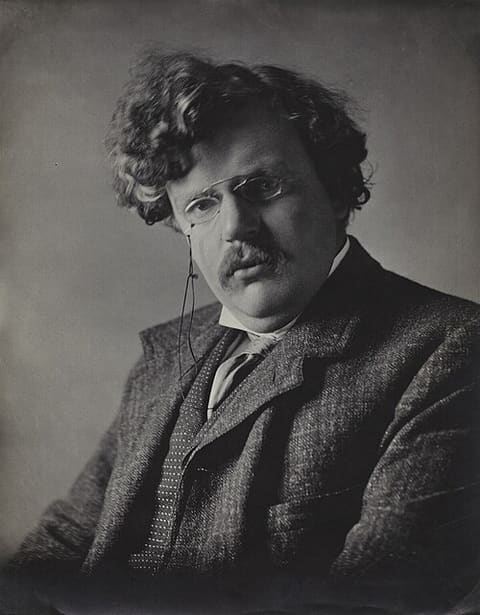
A British writer, Chesterton popularized distributism, defending the wide distribution of property and small-scale production against monopoly capitalism and state socialism, with strong Christian inspiration.
Closest, by dimension



Other compatible profiles




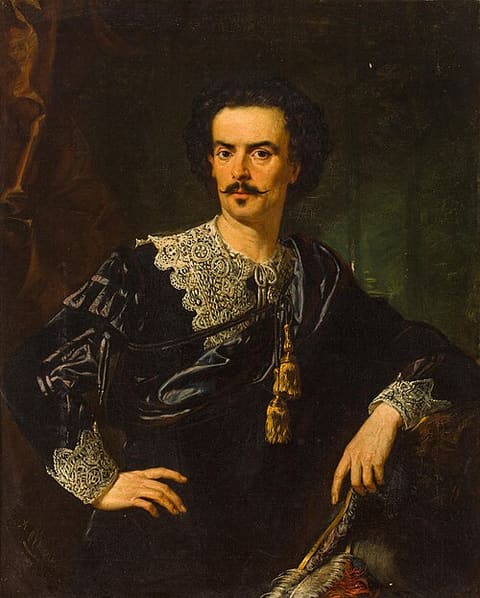



The most distant
Reference country

A parliamentary monarchy, the United Kingdom has a long liberal and democratic tradition, a market economy, and a strong financial sector, maintaining global influence after leaving the European Union in the process known as Brexit.
Other close countries
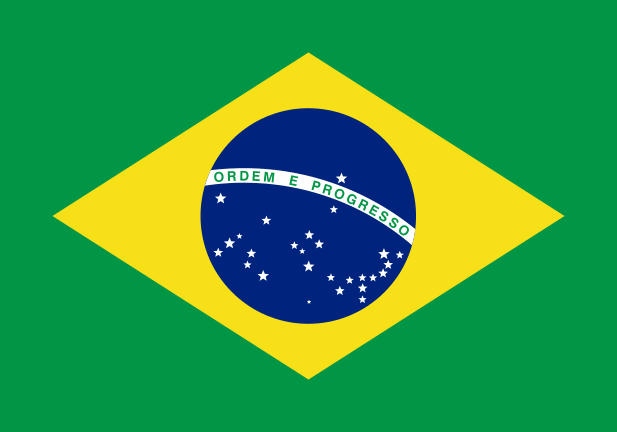
The largest country in Latin America, Brazil is a democratic presidential federal republic with a mixed economy, broad social policies, and strong regional, cultural, and political diversity that shapes its electoral disputes.
Also close, by dimension

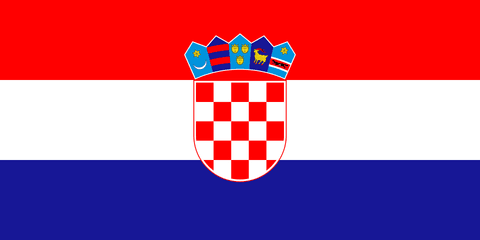
The most distant

Medieval alliance of autonomous cantons formed from the 1291 Pact, the Old Swiss Confederacy operated without a strong central power, combining direct democracy in local assemblies (Landsgemeinde), independent peasant militias, and weak joint military/diplomatic coordination among the cantons.
Also close, by dimension

The most distant
Ideological proximity
Closest within Center
Branch that unites conservatism and environmental protection, defending the preservation of nature as part of the tradition and heritage to be passed on to future generations, with prudence toward change.
Current that values community bonds, traditions, and the common good above individualism, holding that justice and identity arise from life in community and the responsibilities people share.
Position that opposes genetic manipulation and the technological enhancement of the human body, defending ethical limits on science in the name of dignity, human nature, and prudence toward the future.
Closest in other spectrums
Branch that combines the defense of workers and social justice with Christian values, promoting labor rights, solidarity, and social protection within democracy, inspired by the social doctrine of the Church.
Río de la Plata federalist tradition founded by José Gervasio Artigas in the League of the Free Peoples (1813–1820). It advocates republican confederalism of sovereign provinces against Buenos Aires centralism, civil and religious liberty, tariff protection, and popular land reform.
American traditionalist right, of Buchanan and Kirk, defending Christian heritage, localism and states' rights, immigration restriction, protectionism and non-interventionism, against neoconservatives and the managerial state.
The most distant ideology
Techno-SocialismRadical Left29%