Christian Labourism
Branch that combines the defense of workers and social justice with Christian values, promoting labor rights, solidarity, and social protection within democracy, inspired by the social doctrine of the Church.
Compare with…Home / Ideologies / Christian Labourism
Branch that combines the defense of workers and social justice with Christian values, promoting labor rights, solidarity, and social protection within democracy, inspired by the social doctrine of the Church.
Compare with…In one sentence
I want labor rights and social protection within democracy, inspired by the Church's social doctrine and Christian solidarity.
Political axes
Leans further toward religious than 77% of the 276 ideologies in the catalog.
Of all the axes, Religion is where it stands furthest from the rest.
On Control, it sits practically at the catalog median.
Here it shares common ground with most ideologies.
Analytical Summary & Scientific Audit
Christian Labourism belongs to the Left political family across the 12 Axes framework. Core measured positions: Representation: 83% Democracy; Geopolitics: 79% Pacifist; Religion: 73% Religious; Immigration: 69% Multiculturalism.
Jacques Maritain’s communitarian personalism and Brazilian Christian labor tradition (Montoro / PDC): subsidiarity, social function of property and co-determination (`economia` `81.2 -> 62.0`).
Recorded divergence between rhetoric/stereotype and practice
| Axis | Rhetoric / Prior | Audited Practice | Delta |
|---|---|---|---|
| Structure | 38% | 56% | +19 pts |
Primary sources & scientific datasets

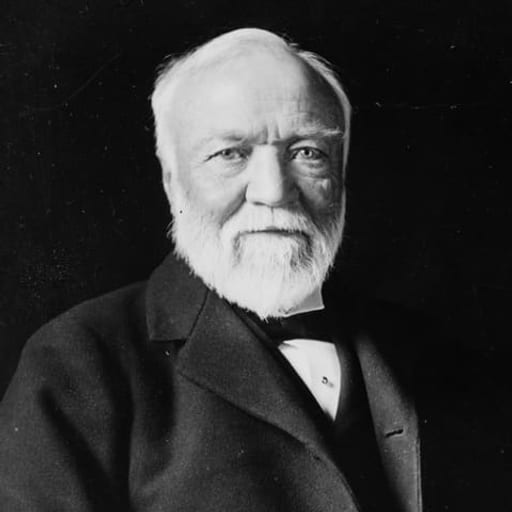
A French Catholic philosopher, Maritain renewed Christian thought and influenced Christian democracy, defending human rights, integral humanism, and the compatibility of faith, reason, and democratic freedom.
Closest, by dimension


Other compatible profiles



The most distant
Reference country
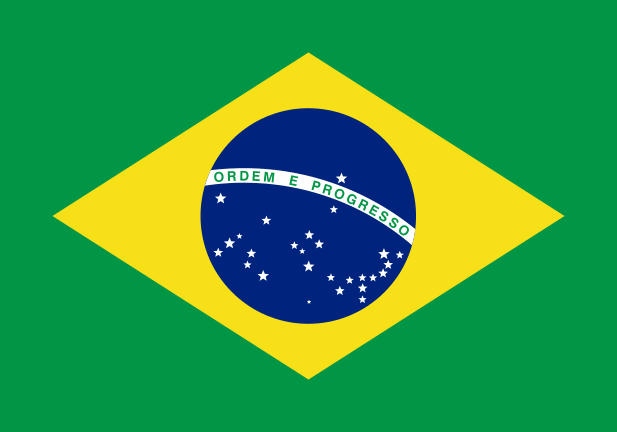
The largest country in Latin America, Brazil is a democratic presidential federal republic with a mixed economy, broad social policies, and strong regional, cultural, and political diversity that shapes its electoral disputes.
Other close countries
The largest country in Latin America, Brazil is a democratic presidential federal republic with a mixed economy, broad social policies, and strong regional, cultural, and political diversity that shapes its electoral disputes.
Also close, by dimension


The most distant
With Fernando Henrique Cardoso at the Finance Ministry and then in the Presidency, Brazil stabilized its currency with the Plano Real, privatized state firms and adopted a Fiscal Responsibility Law, in a democracy that approved presidential re-election.
Also close, by dimension

The most distant
Ideological proximity
Closest within Left
Current that turns the Gospel into reforms within democracy, defending a welfare state, labor rights, unions and redistribution without breaking with the market or with liberal institutions.
Current that unites Christian faith with the defense of social justice, rights, and reforms, seeing in the Gospel a call to solidarity, equality, and care for the poor and marginalized of society and the world.
Model associated with Brazil's Workers' Party governments that seeks growth with social inclusion, combining rising minimum wages, popular credit, cash transfers and public banks without breaking with the market.
Closest in other spectrums
Current that values community bonds, traditions, and the common good above individualism, holding that justice and identity arise from life in community and the responsibilities people share.
Centrist current that applies Christian values to democratic politics, defending the social market economy, family, solidarity, and the common good as the foundation of free and pluralist institutions.
Doctrine of Christian inspiration that advocates the wide distribution of property and small-scale production, opposing both monopoly capitalism and state socialism in favor of autonomous communities.
The most distant ideology
Stalinist SocialismRadical Left30%