Maoist Communism
Mao's Chinese adaptation of Marxism, centered on the peasantry as the revolutionary force, protracted people's war, permanent mass mobilization, and cultural revolution against the party bureaucracy.
Compare with…Home / Ideologies / Maoist Communism
Mao's Chinese adaptation of Marxism, centered on the peasantry as the revolutionary force, protracted people's war, permanent mass mobilization, and cultural revolution against the party bureaucracy.
Compare with…In one sentence
I want a society mobilized in protracted people's war led by the peasantry, with permanent cultural revolution against bureaucracy.
Political axes
Leans further toward protectionism than 99% of the 276 ideologies in the catalog.
Of all the axes, Trade is where it stands furthest from the rest.
On Immigration, it sits practically at the catalog median.
Here it shares common ground with most ideologies.
Analytical Summary & Scientific Audit
Maoist Communism belongs to the Radical Left political family across the 12 Axes framework. Core measured positions: Trade: 99% Protectionism; Economy: 93% Public; Religion: 93% Secular; Control: 89% Planning.
Historical or radical ideology calibrated from comparative regime historiography and political thought literature (SEP / OpenAlex).
Primary sources & scientific datasets
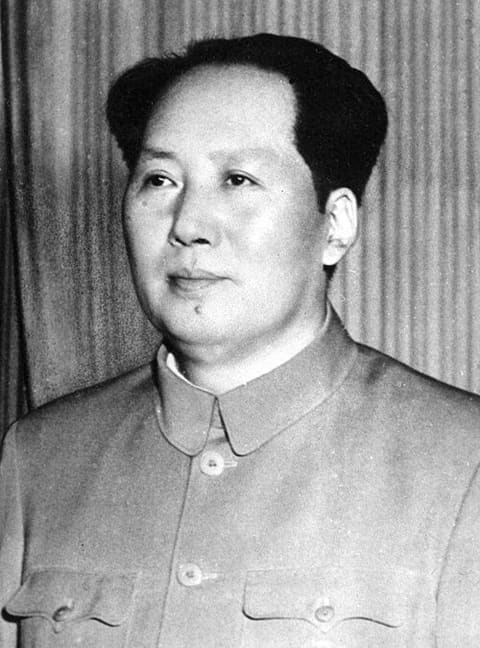
Leader of the Chinese Revolution and founder of the People's Republic, Mao adapted Marxism to the peasantry through people's war, collectivization, and the permanent mobilization of the masses in campaigns of radical transformation.
Closest, by dimension

Other compatible profiles
The most distant
Reference country
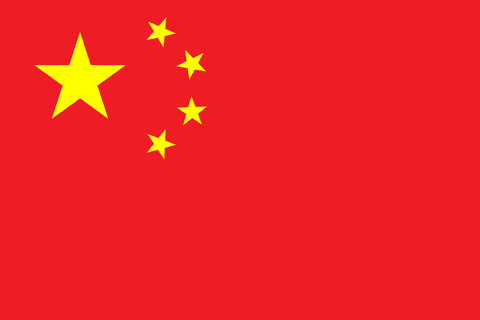
Under Mao, revolutionary China was a single-party communist state, with a collectivized economy and permanent mass mobilization, marked by campaigns such as the Great Leap Forward and the Cultural Revolution.
Other close countries
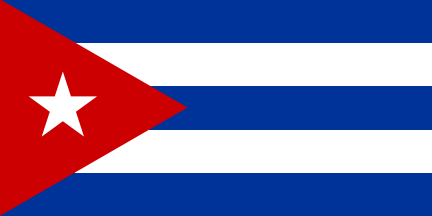
A single-party socialist state in the Caribbean, Cuba maintains a planned economy, strong state control, and universal public services, with power centralized since the revolution led by Fidel Castro in 1959.
Also close, by dimension
The most distant
Under Mao, revolutionary China was a single-party communist state, with a collectivized economy and permanent mass mobilization, marked by campaigns such as the Great Leap Forward and the Cultural Revolution.
Also close, by dimension
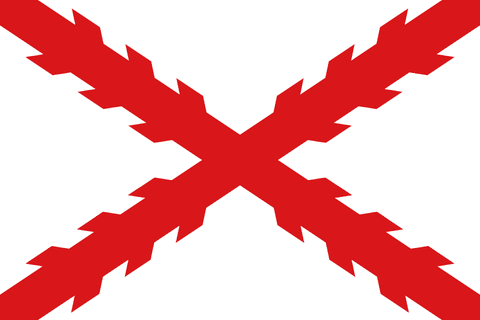
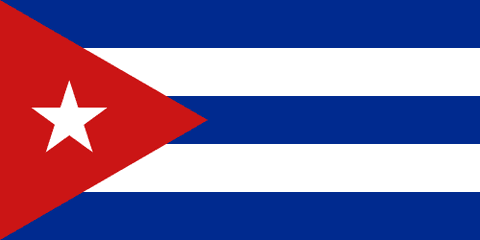
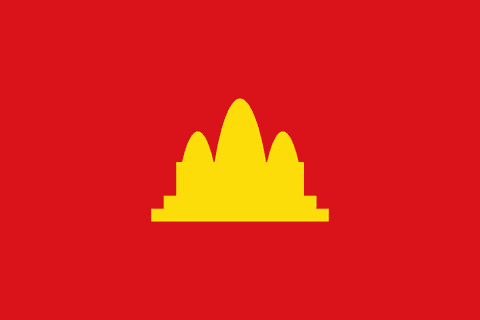
The most distant
Ideological proximity
Closest within Radical Left
Revolutionary regime of Fidel Castro and Che Guevara, with a single party, a state-run economy, universal health and education, export of armed revolution and the new man ideal against imperialism.
Revolutionary branch of Marxism that advocates the seizure of power by a vanguard party and the dictatorship of the proletariat, with a planned economy and collectivization, serving as the foundation of the communist regimes of the 20th century.
System in which the state controls the means of production and directs the economy through central planning, promoting industrialization and welfare under strong political authority and limited popular democratic participation.
Closest in other spectrums
Syncretic ideology, also called NazBol, that fuses revolutionary socialism and radical nationalism, combining a collectivist economy, state authoritarianism, and rejection of liberalism, the West, and bourgeois individualism.
Socialist current born of national liberation struggles in Africa, Asia, and Latin America, defending economic sovereignty, resource nationalization, non-alignment, and solidarity among peoples of the Global South against imperialism.
Current of Sankara, Samora Machel, Nkrumah and Nyerere joining pan-Africanism, Black consciousness, anticolonial struggle, agrarian collectivization and self-reliance against neocolonialism and racism.
The most distant ideology
PaleolibertarianismLibertarian0%