Direct Democracy
A system in which citizens decide laws directly through referendums, popular initiatives, assemblies and recall of officials, instead of delegating to representatives, as in the Swiss cantons and classical Athens.
Compare with…Home / Ideologies / Direct Democracy
A system in which citizens decide laws directly through referendums, popular initiatives, assemblies and recall of officials, instead of delegating to representatives, as in the Swiss cantons and classical Athens.
Compare with…In one sentence
I want citizens to decide laws through referendums, popular initiatives and recall of officials, with power decentralized to municipalities and cantons.
Political axes
Leans further toward federal than 80% of the 276 ideologies in the catalog.
Of all the axes, Structure is where it stands furthest from the rest.
On Religion, it sits practically at the catalog median.
Here it shares common ground with most ideologies.
Analytical Summary & Scientific Audit
Direct Democracy belongs to the Center political family across the 12 Axes framework. Core measured positions: Representation: 91% Democracy; Structure: 78% Federal; Control: 71% Free market; Power: 67% Liberty.
Ideology calibrated from canonical comparative Political Science literature (Heywood, Bobbio, Freeden, MARPOR and CHES).
Primary sources & scientific datasets

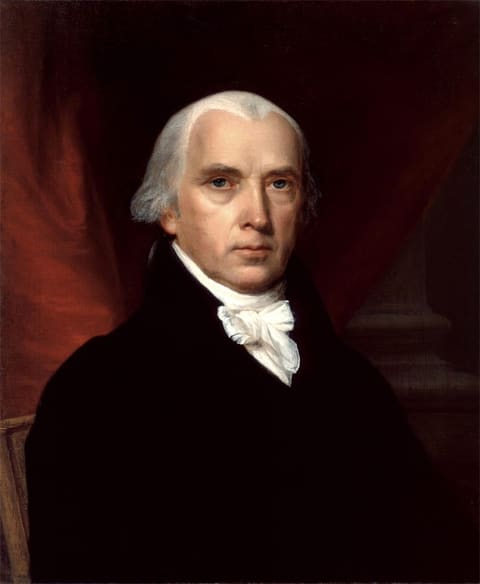
Author of the Declaration of Independence and third US president, Jefferson championed an agrarian republic of small landowners, limited and decentralized government, religious freedom, and distrust of banks, armies, and cities.
Closest, by dimension



Other compatible profiles







The most distant
Reference country

A European federal confederation, Switzerland is known for its direct democracy, strong cantonal autonomy, historic neutrality, and a prosperous economy based on finance, precision industry, and institutional stability.
Other close countries
A federal parliamentary monarchy, Canada combines stable democracy, multiculturalism, a broad welfare state, and a market economy rich in natural resources, with a strong commitment to rights and diversity.
Also close, by dimension

The most distant
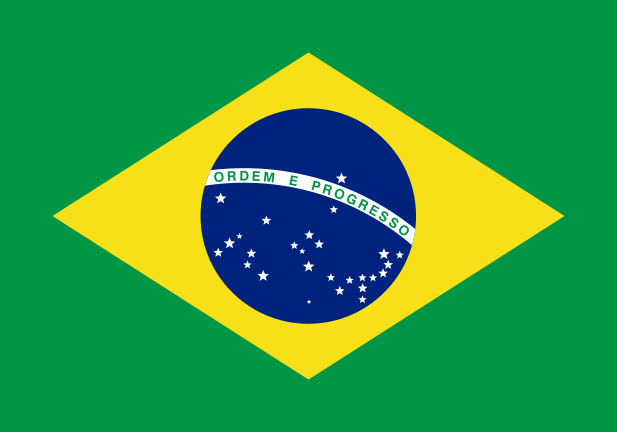
With Fernando Henrique Cardoso at the Finance Ministry and then in the Presidency, Brazil stabilized its currency with the Plano Real, privatized state firms and adopted a Fiscal Responsibility Law, in a democracy that approved presidential re-election.
Also close, by dimension
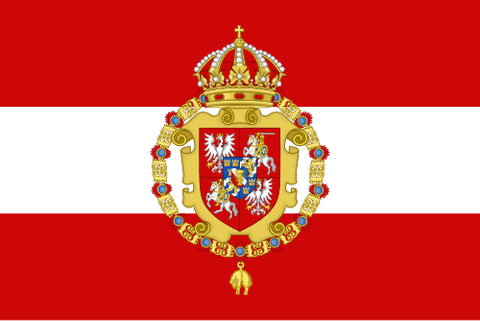
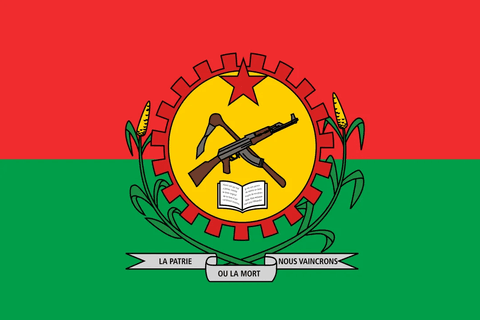

The most distant
Ideological proximity
Closest within Center
Doctrine that organizes the state through a constitutional division of power between a central government and autonomous regional units, such as cantons or states, with their own competencies, independent courts, and mutual checks against excessive concentration of power.
Centrist branch that prioritizes sustainability, gradual energy transition, environmental regulation, and technological prudence, seeking to reconcile climate protection, markets, and democratic institutions without anti-capitalist rupture.
Centrist branch that accepts the market economy but prioritizes social protection, public services, gradual reforms, and institutional consensus to reduce inequality without political rupture or permanent polarization.
Closest in other spectrums
Economic philosophy founded by Henry George holding that natural resources and land belong to the whole community, advocating a single land value tax (LVT) and the abolition of taxes on labor and capital.
Political tradition that places individual freedom at the center, defending rights, tolerance, the rule of law, a market economy, and limits on power, with government subject to the consent of citizens.
Scandinavian model combining tripartite collective bargaining among unions, employers and the state, a universalist welfare state funded by high taxes, and an open, export-driven market economy, with strong social consensus and low inequality.
The most distant ideology
National SocialismThird Position7%