State Developmentalism
Model in which the state directs industrialization and economic growth through planning, public investment, and industrial protection, seeking to overcome the nation's backwardness and external dependence.
Compare with…Home / Ideologies / State Developmentalism
Model in which the state directs industrialization and economic growth through planning, public investment, and industrial protection, seeking to overcome the nation's backwardness and external dependence.
Compare with…In one sentence
I want a state that drives industrialization through plans and public investment, protecting industry against external dependence.
Political axes
Leans further toward autocracy than 73% of the 276 ideologies in the catalog.
Of all the axes, Representation is where it stands furthest from the rest.
On Geopolitics, it sits practically at the catalog median.
Here it shares common ground with most ideologies.
Analytical Summary & Scientific Audit
State Developmentalism belongs to the Left political family across the 12 Axes framework. Core measured positions: Control: 91% Planning; Structure: 88% Unitary; Religion: 81% Secular; Power: 79% Security.
Ideology calibrated from canonical comparative Political Science literature (Heywood, Bobbio, Freeden, MARPOR and CHES).
Primary sources & scientific datasets
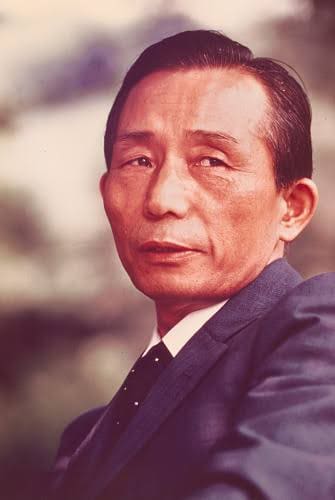
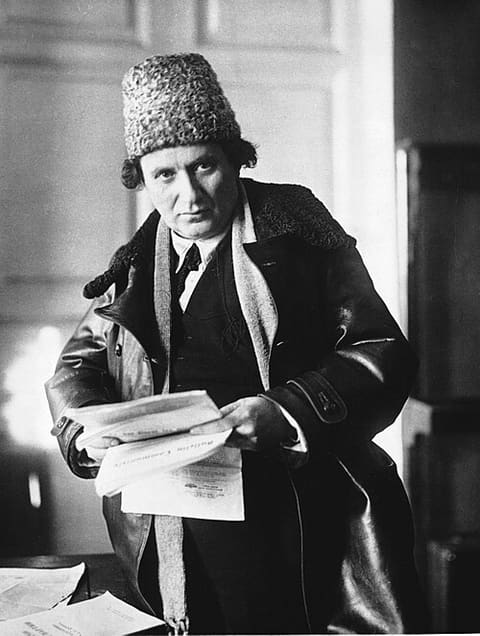
A South Korean dictator, Park Chung-hee led an authoritarian developmentalist regime that rapidly industrialized South Korea through state planning and discipline, turning the country into an economic power.
Closest, by dimension
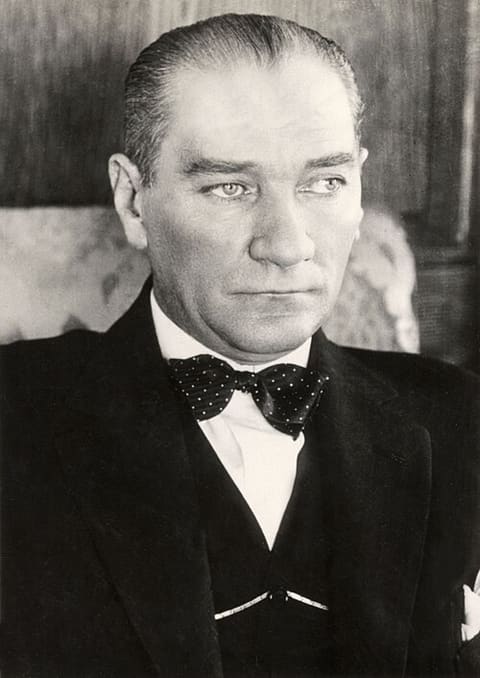
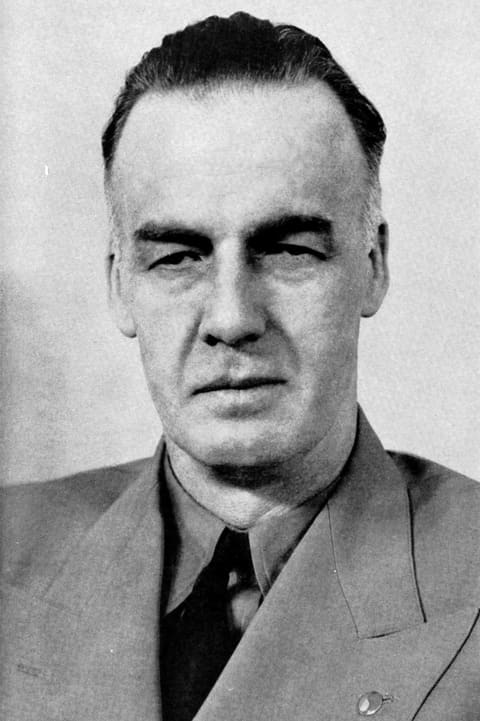

Other compatible profiles
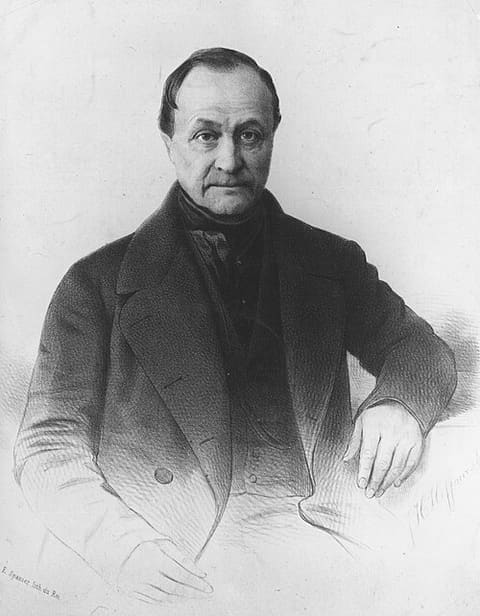


The most distant
Reference country
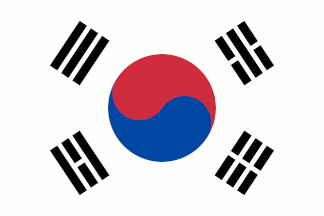
An Asian presidential republic, South Korea combines a vibrant democracy, an export-oriented market economy, and technological leadership, the result of rapid development under strong state impetus.
Other close countries
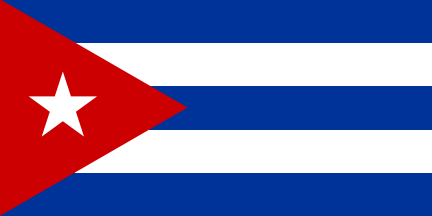
A single-party socialist state in the Caribbean, Cuba maintains a planned economy, strong state control, and universal public services, with power centralized since the revolution led by Fidel Castro in 1959.
Also close, by dimension
The most distant
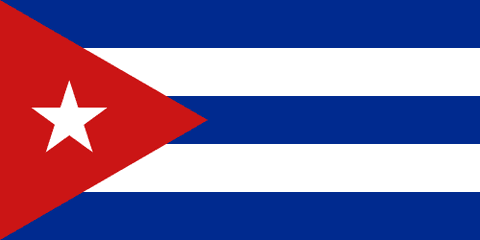
Ruled by Fidel Castro from 1959 to 2008, Cuba became a one-party socialist state, with a nationalized economy, universal health and education, a Soviet alliance, repression of dissidents, mass exile and confrontation with the United States, from the embargo to the missile crisis.
Also close, by dimension

The most distant
Ideological proximity
Closest within Left
Current that advocates industrialization, national sovereignty, and strategic state planning, seeking to modernize the economy through public investment, productive protection, and coordination between government, science, and national companies.
Socialist current born of national liberation struggles in Africa, Asia, and Latin America, defending economic sovereignty, resource nationalization, non-alignment, and solidarity among peoples of the Global South against imperialism.
Early 19th-century current that envisioned an industrial society reorganized by rational planning, led by scientists, engineers and producers, replacing politicians and aristocrats without appealing to class struggle or revolution.
Closest in other spectrums
System in which the state controls the means of production and directs the economy through central planning, promoting industrialization and welfare under strong political authority and limited popular democratic participation.
Revolutionary branch of Marxism that advocates the seizure of power by a vanguard party and the dictatorship of the proletariat, with a planned economy and collectivization, serving as the foundation of the communist regimes of the 20th century.
Auguste Blanqui's doctrine that a conspiratorial revolutionary minority should seize power and rule through a provisional dictatorship that expropriates the bourgeoisie, with militant atheism and distrust of elections and of spontaneous mass action.
The most distant ideology
PaleolibertarianismLibertarian1%