National Libertarianism
Branch that combines the defense of individual freedoms and free markets with appreciation for national sovereignty and identity, defending limited government alongside border control and the nation.
Compare with…Home / Ideologies / National Libertarianism
Branch that combines the defense of individual freedoms and free markets with appreciation for national sovereignty and identity, defending limited government alongside border control and the nation.
Compare with…In one sentence
I want limited government and free markets that also protect borders, sovereignty and my nation's identity.
Political axes
Leans further toward free market than 93% of the 276 ideologies in the catalog.
Of all the axes, Control is where it stands furthest from the rest.
On Geopolitics, it sits practically at the catalog median.
Here it shares common ground with most ideologies.
Analytical Summary & Scientific Audit
National Libertarianism belongs to the Libertarian political family across the 12 Axes framework. Core measured positions: Control: 89% Free market; Economy: 86% Private; Power: 83% Liberty; Technoscience: 81% Acceleration.
Political current calibrated from primary treatises in political philosophy and history of economic thought (SEP / HET).
Primary sources & scientific datasets

An Argentine statesman and economist, Milei champions anarcho-capitalism and radical liberalism, proposing to drastically cut the state, dollarize the economy, and fight inflation, reaching Argentina's presidency.
Closest, by dimension


Other compatible profiles





The most distant
Reference country
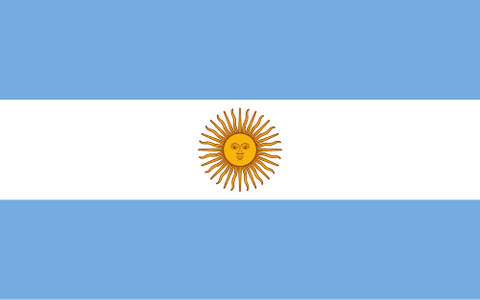
A presidential federal republic, Argentina under Javier Milei since 2023 pursues fiscal restraint, deregulation and privatization while retaining public services and aligning with the United States and Israel, breaking with Peronism.
Other close countries
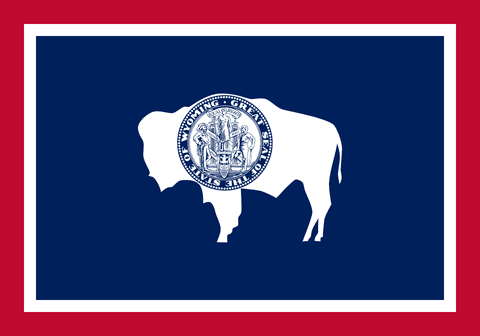
The least populous U.S. state, Wyoming levies no state income or corporate tax, bases its economy on oil, gas, and mining, and combines a strong gun culture with deep distrust of the federal government.
Also close, by dimension
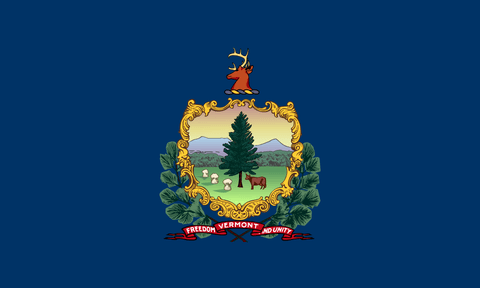
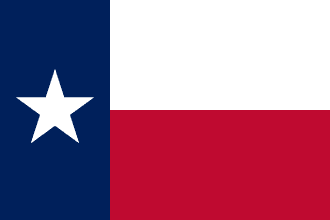
The most distant
The American frontier after the Civil War, with expanding railroads, mining and ranching, wars against Native peoples, local justice and sheriffs, widely carried firearms and little federal presence.
Also close, by dimension
The most distant
Ideological proximity
Closest within Libertarian
Synthesis that unites free markets and a minimal state with the defense of tradition, family, and order, valuing individual freedom and personal responsibility alongside the preservation of customs and institutions.
A doctrine combining a minimal state in taxation, regulation and morals with strong armed forces and an armed citizenry: national defense is the one expanded state function, treated as the condition of civil liberty rather than its exception.
Current that sees monarchy as a guarantee of freedom and stability, defending a king with limited power who protects property and individual rights and maintains a lean, minimally interventionist state.
Closest in other spectrums
Synthesis that unites free markets and economic freedoms with the appreciation of tradition, order, and institutions, defending prudent change and social stability within the framework of liberal democracy.
Capitalism of the great industrialists such as Henry Ford, Rockefeller and Thomas Edison, exalting the factory, mass production, invention and the entrepreneur, with a work ethic, traditional family and minimal state interference.
American conservative current associated with Ronald Reagan. It combines lower taxes and a smaller federal economic role with free enterprise, traditional religious values, anticommunism and military strength.
The most distant ideology
Techno-SocialismRadical Left1%