National Liberalism
Right-wing current that combines free markets, free trade, and limited government with strong national identity, cultural assimilation, traditional and religious values, and a robust military.
Compare with…Home / Ideologies / National Liberalism
Right-wing current that combines free markets, free trade, and limited government with strong national identity, cultural assimilation, traditional and religious values, and a robust military.
Compare with…In one sentence
I want a nation of strong identity and free markets, with assimilationist borders, religious tradition and robust military defense.
Political axes
Leans further toward private than 89% of the 276 ideologies in the catalog.
Of all the axes, Economy is where it stands furthest from the rest.
On Sovereignty, it sits practically at the catalog median.
Here it shares common ground with most ideologies.
Analytical Summary & Scientific Audit
National Liberalism belongs to the Right political family across the 12 Axes framework. Core measured positions: Economy: 81% Private; Immigration: 76% Assimilation; Control: 76% Free market; Trade: 74% Free trade.
Ideology calibrated from canonical comparative Political Science literature (Heywood, Bobbio, Freeden, MARPOR and CHES).
Primary sources & scientific datasets
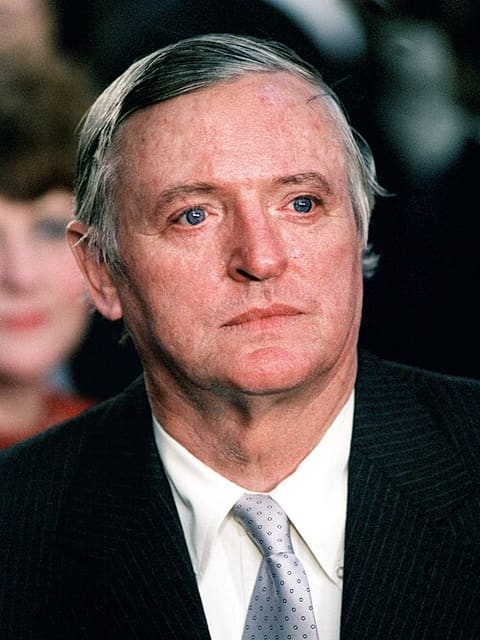
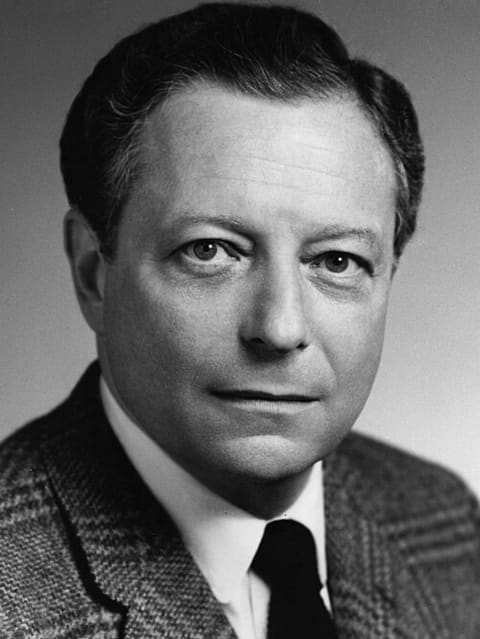
An American intellectual, Buckley articulated modern conservatism in the United States, uniting free markets, anti-communism, and traditional Christian values into a coherent, influential political and cultural force.
Closest, by dimension
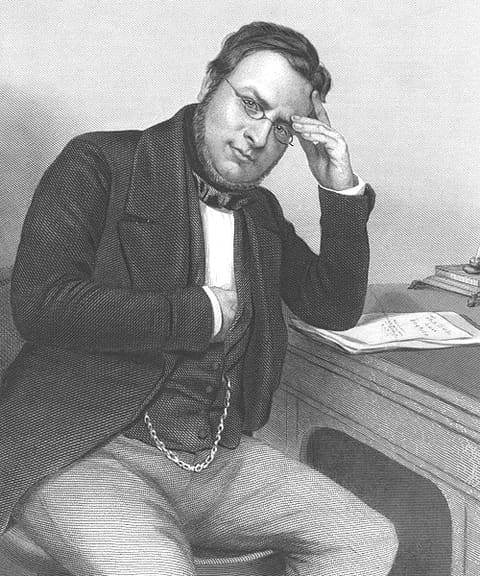
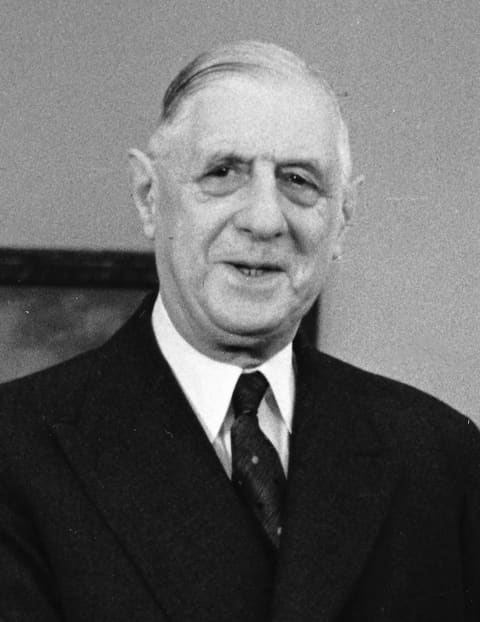
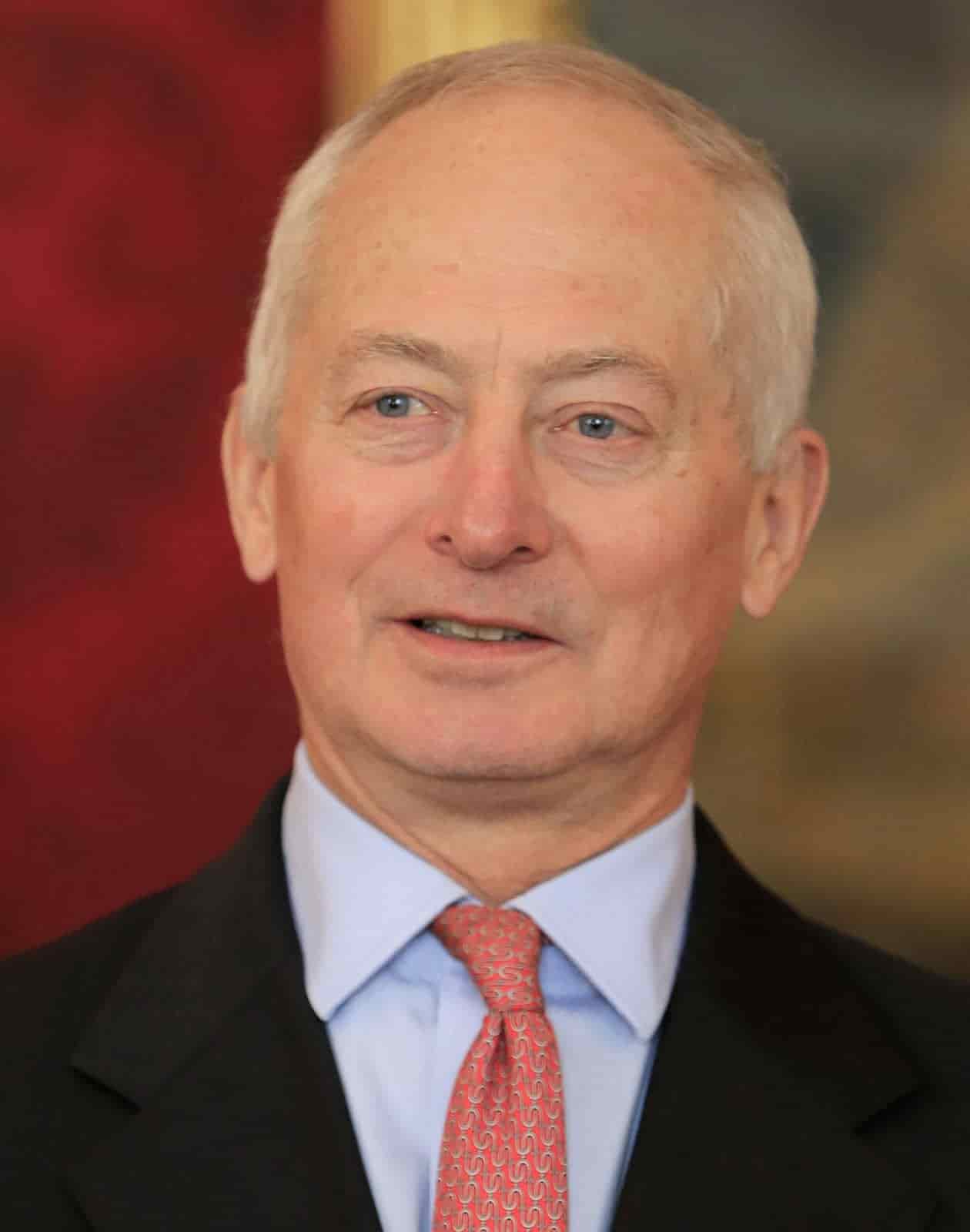
Other compatible profiles





The most distant
Reference country
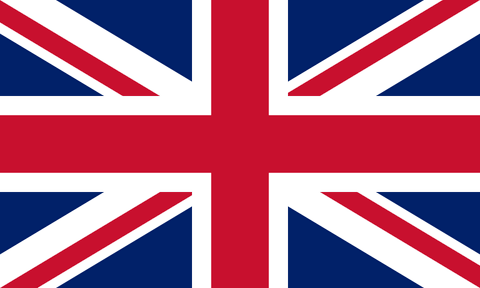
At its Victorian height, the British Empire was the largest in history, uniting parliamentary monarchy, the industrial revolution, and global colonial rule, with strong commercial, naval, and cultural expansion across the world.
Other close countries
A state in western India and Narendra Modi's home, Gujarat has a vegetarian, Jain-influenced commercial culture, an industrial and export economy, the pro-business 'Gujarat model', alcohol prohibition and BJP dominance, and was a laboratory of Hindu nationalism.
Also close, by dimension
The most distant
An aristocratic republic of antiquity, Rome balanced consuls, Senate, and tribunes of the plebs in a mixed system of elective magistracies, expanding across the Mediterranean through citizen legions and a strong cult of civic virtue.
Also close, by dimension
The most distant
Ideological proximity
Closest within Right
Synthesis of free markets, privatization and fiscal discipline with traditional values, law and order and national pride, under parliamentary democracy. Associated with Thatcher and Aznar, it confronts unions and the welfare state.
Synthesis that unites free markets and economic freedoms with the appreciation of tradition, order, and institutions, defending prudent change and social stability within the framework of liberal democracy.
Right-wing current that unites free markets, traditional values, and an interventionist foreign policy, advocating the promotion of democracy and national interests through military force and global leadership.
Closest in other spectrums
Centrist branch that combines economic moderation and institutional respect with social conservatism, valuing family, religion, order, and gradual change without joining the authoritarian right or populist radicalism.
Regime that introduces radical free-market policies under a military dictatorship, with privatizations, trade opening and Chicago School economists, restricting unions, parties and opponents in the name of order and anticommunism.
German liberal school of Freiburg (Eucken, Rüstow, Müller-Armack) that defends the free market within firm rules guaranteed by the state, against monopolies and central planning, with a Christian ethical basis and social policy, the origin of the social market economy.
The most distant ideology
CommunalismAnarchist23%