Socialism
Broad doctrine that advocates social or collective ownership of the means of production and economic planning to overcome capitalist exploitation, accepting both the revolutionary and the reformist road to get there.
Compare with…Home / Ideologies / Socialism
Broad doctrine that advocates social or collective ownership of the means of production and economic planning to overcome capitalist exploitation, accepting both the revolutionary and the reformist road to get there.
Compare with…In one sentence
I want a society without exploitation, with collective means of production and economic planning replacing the capitalist market.
Political axes
Leans further toward multiculturalism than 86% of the 276 ideologies in the catalog.
Of all the axes, Immigration is where it stands furthest from the rest.
On Representation, it sits practically at the catalog median.
Here it shares common ground with most ideologies.
Analytical Summary & Scientific Audit
Socialism belongs to the Left political family across the 12 Axes framework. Core measured positions: Economy: 88% Public; Control: 86% Planning; Religion: 85% Secular; Immigration: 83% Multiculturalism.
Ideology calibrated from canonical comparative Political Science literature (Heywood, Bobbio, Freeden, MARPOR and CHES).
Primary sources & scientific datasets
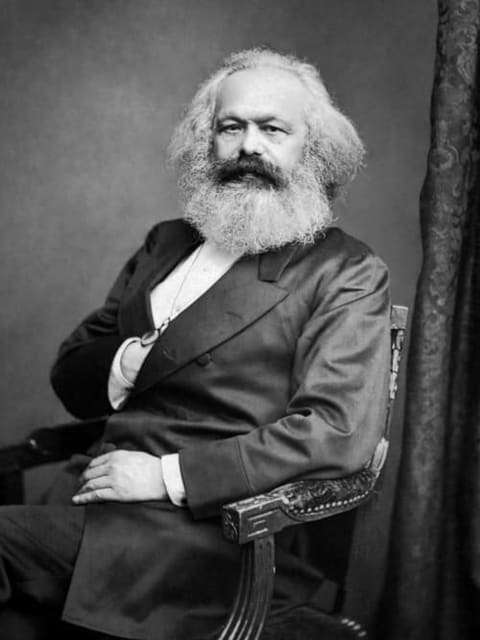
A German philosopher and economist, Marx created historical materialism and the critique of capitalism, analyzing class struggle and the exploitation of labor, and became the greatest reference of socialism and communism.
Closest, by dimension

Other compatible profiles



The most distant
Reference country
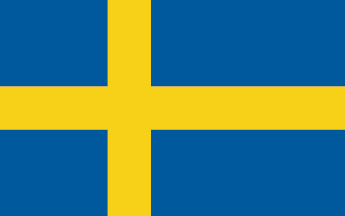
A Nordic parliamentary monarchy, Sweden is a benchmark of social democracy, with a broad welfare state, high taxes, strong social equality, and an open, innovative market economy combined with progressive values.
Other close countries
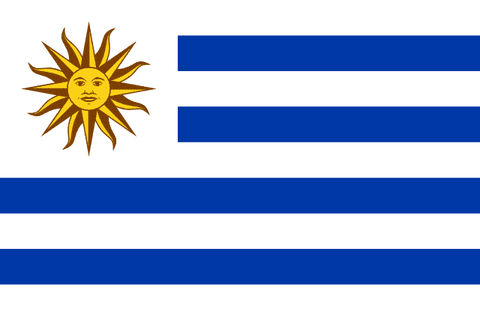
A South American presidential republic, Uruguay is recognized for solid democracy, strong secularism, broad social rights, and progressive policies, pairing institutional stability with a market economy.
Also close, by dimension
The most distant
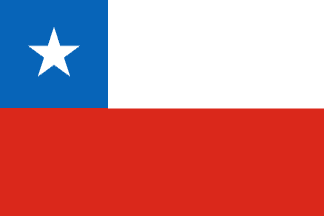
Under Allende's Popular Unity, Chile attempted democratic socialism through copper and bank nationalization, agrarian reform, and economic planning until the 1973 military coup.
Also close, by dimension

The most distant
Ideological proximity
Closest within Left
Model that combines socialist planning with scientific management of the economy, entrusting expert committees, rather than elections or party competition, with the rational organization of production and the egalitarian distribution of society's resources.
A 1970s Western European communist current that sought a national path to socialism through elections, party pluralism and civil liberties, independent of Moscow, with a mixed economy under democratic planning.
Current that mobilizes the people against economic elites, defending redistribution, public control, national sovereignty, plebiscitary democracy, and broad social policy in popular anti-establishment language.
Closest in other spectrums
Marx's original doctrine, analyzing history as class struggle and predicting capitalism's overcoming through proletarian revolution, with abolition of private ownership of the means of production and strong criticism of religion.
Final stage theorized by Marx and Engels: a classless, stateless society without private ownership of the means of production, with collective production and distribution according to need, superseding capitalism and the transitional socialist phase.
Current of Trotsky, co-founder of the Soviet state and the Red Army, which defends permanent revolution, a vanguard party and the dictatorship of the proletariat, criticizing Stalinist bureaucracy without renouncing one-party rule.
The most distant ideology
Anarcho-ConservatismLibertarian1%