Market Socialism
System in which collectively or publicly owned enterprises compete in markets, uniting the efficiency of competition with the socialist distribution of profits, without the rigid central planning of state economies.
Compare with…Home / Ideologies / Market Socialism
System in which collectively or publicly owned enterprises compete in markets, uniting the efficiency of competition with the socialist distribution of profits, without the rigid central planning of state economies.
Compare with…In one sentence
I want collectively owned firms competing in markets, uniting the efficiency of competition with the socialist distribution of profits, without rigid central planning.
Political axes
Leans further toward progressive than 79% of the 276 ideologies in the catalog.
Of all the axes, Morality is where it stands furthest from the rest.
On Structure, it sits practically at the catalog median.
Here it shares common ground with most ideologies.
Analytical Summary & Scientific Audit
Market Socialism belongs to the Left political family across the 12 Axes framework. Core measured positions: Representation: 79% Democracy; Economy: 76% Public; Morality: 71% Progressive; Immigration: 70% Multiculturalism.
Oskar Lange & worker self-management model: pairs social/cooperative ownership with competitive price signals and open markets rather than central planning (`controle` `70.0 -> 46.0`, `comercio` `61.3 -> 44.0`).
Primary sources & scientific datasets
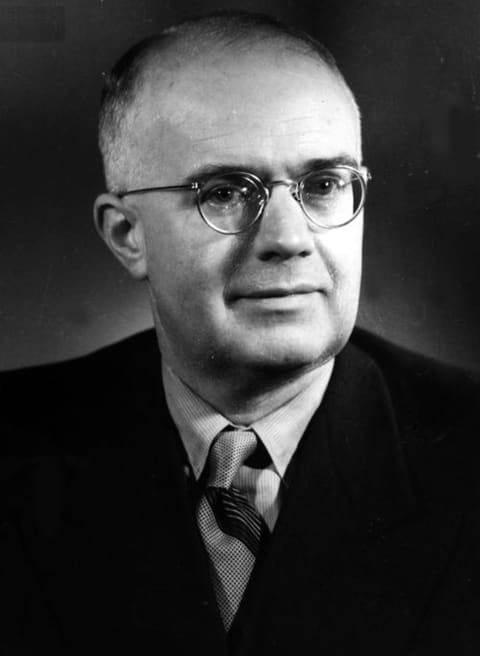
A Polish economist, Lange championed market socialism, arguing that planning could simulate prices and allocate resources efficiently, in the famous socialist calculation debate.
Closest, by dimension

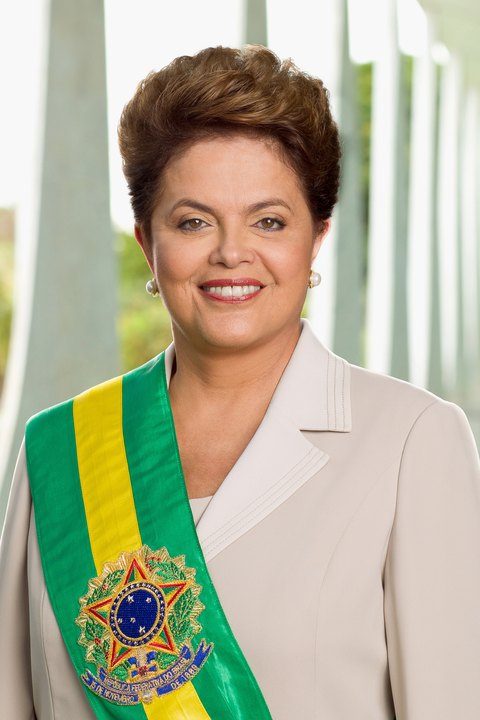
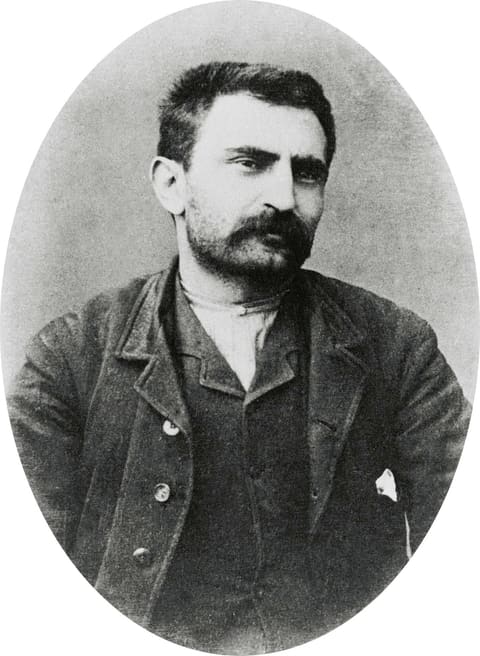
Other compatible profiles

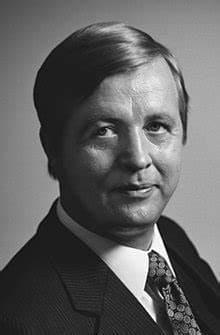


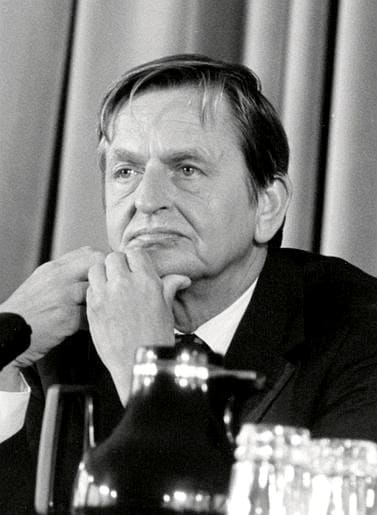
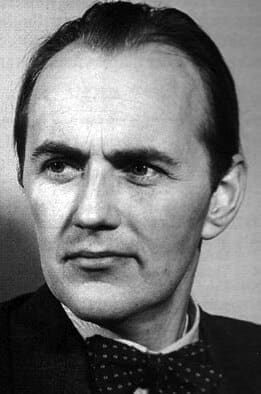

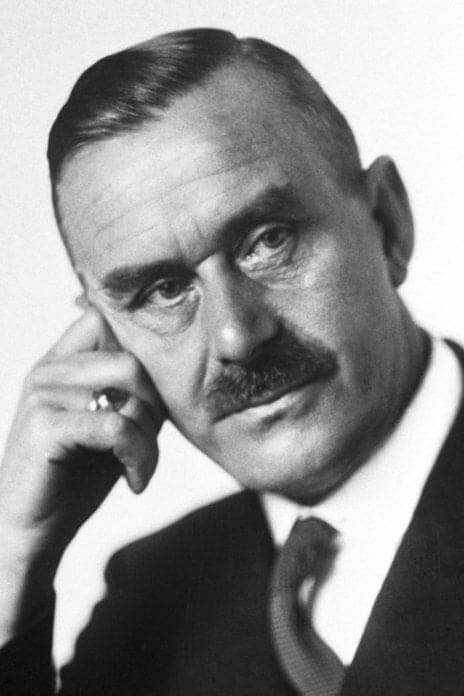
The most distant
Reference country
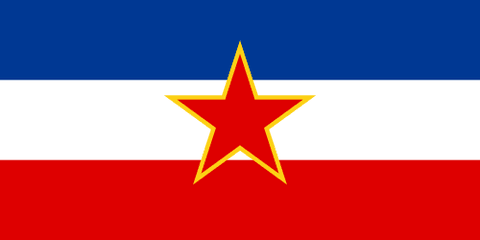
A socialist federation led by Tito, Yugoslavia adopted workers' self-management and an independent path from Moscow, uniting diverse peoples under a single party until fragmenting into wars in the 1990s.
Other close countries
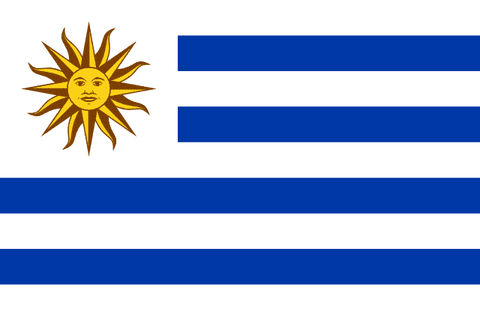
A South American presidential republic, Uruguay is recognized for solid democracy, strong secularism, broad social rights, and progressive policies, pairing institutional stability with a market economy.
Also close, by dimension
The most distant
Post-apartheid transition under Nelson Mandela: first multiracial elections, a government of national unity, the 1996 Constitution, the Truth and Reconciliation Commission and moderately liberal economic policy.
Also close, by dimension


The most distant
Ideological proximity
Closest within Left
Liberal current that accepts an active role for the state in the economy and in guaranteeing rights, combining individual freedoms and markets with regulation and public policies aimed at the collective good and equality.
Current that unites socialist goals of equality and social justice with the defense of individual freedoms and democracy, combining strong social protection with pluralism, civil rights, and a mixed economy.
Current that advocates social reforms and the expansion of rights to promote equality and justice, trusting progress, science, and collective action to transform institutions and overcome inequalities.
Closest in other spectrums
Nationalism based on citizenship and shared values rather than ethnicity, defining the nation by adherence to common laws and institutions, open to all who accept its democratic and civic principles.
Centrist branch that prioritizes sustainability, gradual energy transition, environmental regulation, and technological prudence, seeking to reconcile climate protection, markets, and democratic institutions without anti-capitalist rupture.
Centrist branch that accepts the market economy but prioritizes social protection, public services, gradual reforms, and institutional consensus to reduce inequality without political rupture or permanent polarization.
The most distant ideology
ColonialismFar-Right28%