Home / Parties / Union for the Homeland (UP)

PartyCurrentArgentina

Union for the Homeland (UP)

Argentina's centre-left Peronist coalition formed in 2023 around the Justicialist Party and Kirchnerism. It defends the welfare state, national industry, economic control, sovereignty, human rights and civil rights.

Predominant spectrum
Center
Closest ideology
Eco-Nationalism
Closest personality
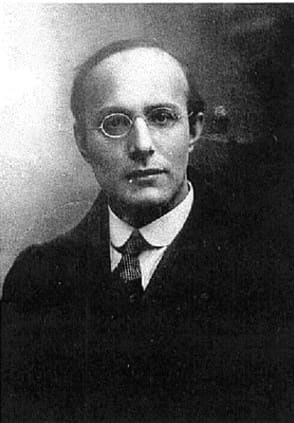
Karl Polanyi
Compare with…

Political axes

Profile across the 13 axes

  • Structure

    Balanced
    Federal50%
    Unitary50%
  • Representation

    Strong · Democracy
    Democracy76%
    Autocracy24%
  • Power

    Leaning · Security
    Security62%
    Liberty39%
  • Immigration

    Leaning · Assimilation
    Assimilation58%
    Multiculturalism42%
  • Geopolitics

    Strong · Pacifist
    Militarist25%
    Pacifist75%
  • Sovereignty

    Balanced
    Sovereigntist43%
    Multilateralist57%
  • Economy

    Strong · Public
    Public76%
    Private24%
  • Control

    Strong · Planning
    Planning75%
    Free market25%
  • Trade

    Strong · Protectionism
    Protectionism77%
    Free trade23%
  • Religion

    Balanced
    Secular54%
    Religious46%
  • Morality

    Strong · Progressive
    Progressive75%
    Traditionalist25%
  • Ecology

    Leaning · Conservation
    Conservation61%
    Productivism40%
  • Technoscience

    Leaning · Precaution
    Acceleration38%
    Precaution62%

What sets Union for the Homeland (UP) apart

Most unusual position

Morality

Leans further toward progressive than 85% of the 207 parties and organizations in the catalog.

Party median 28Union for the Homeland (UP) 75

Of all the axes, Morality is where it stands furthest from the rest.

Most common position

Power

On Power, it sits practically at the catalog median.

Party median 62Union for the Homeland (UP) 62

Here it shares common ground with most parties and organizations.

Analytical Summary & Scientific Audit

12-Axis Synthesis & Primary Sources

Verified Methodological Grounding

Union for the Homeland (UP), Argentina aligns with the Center political family based on recorded legislative and historical behavior. Key measured positions: Trade: 77% Protectionism; Representation: 76% Democracy; Economy: 76% Public; Control: 75% Planning.

Baseline vector aligned with recorded coalition behavior and comparative datasets.