Christian Anarchism
Current that unites Christian faith with anarchism, holding that the Gospel preaches love, equality, and nonviolence incompatible with the state, and defending free communities based on conscience and charity.
Compare with…Home / Ideologies / Christian Anarchism
Current that unites Christian faith with anarchism, holding that the Gospel preaches love, equality, and nonviolence incompatible with the state, and defending free communities based on conscience and charity.
Compare with…In one sentence
I want free communities guided by the Gospel, without a state, living out love and equality through conscience and charity.
Political axes
Leans further toward federal than 95% of the 276 ideologies in the catalog.
Of all the axes, Structure is where it stands furthest from the rest.
On Control, it sits practically at the catalog median.
Here it shares common ground with most ideologies.
Analytical Summary & Scientific Audit
Christian Anarchism belongs to the Anarchist political family across the 12 Axes framework. Core measured positions: Geopolitics: 98% Pacifist; Structure: 96% Federal; Immigration: 90% Multiculturalism; Representation: 88% Democracy.
Political current calibrated from primary treatises in political philosophy and history of economic thought (SEP / HET).
Primary sources & scientific datasets
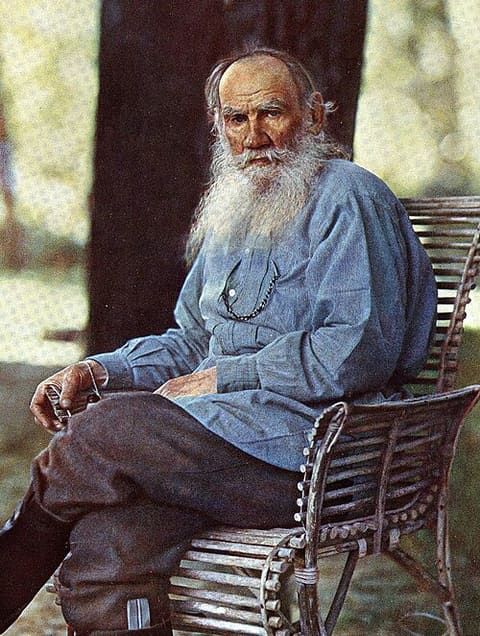
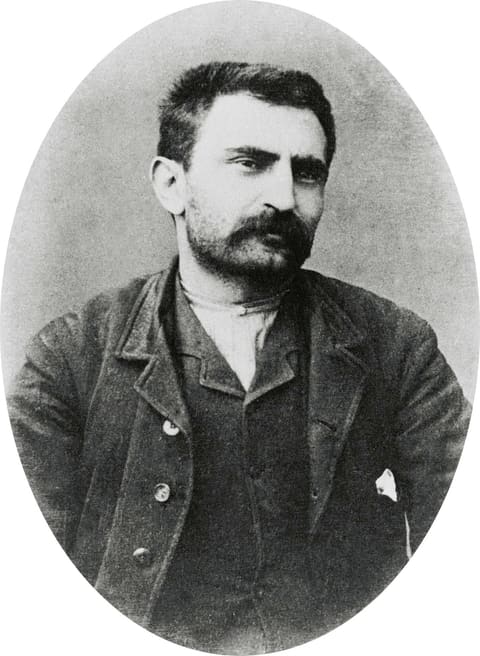
A Russian writer, Tolstoy united his literary work with pacifist Christian anarchism, preaching nonviolence, simplicity, and refusal of the state in ways that influenced Gandhi and later movements.
Closest, by dimension

Other compatible profiles


The most distant
Reference country
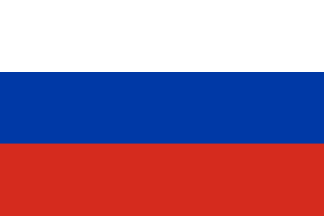
A Eurasian presidential republic, Russia concentrates power in an authoritarian, nationalist regime, with an economy dependent on natural resources, a strong military apparatus, and a foreign policy of confrontation with the West.
Other close countries
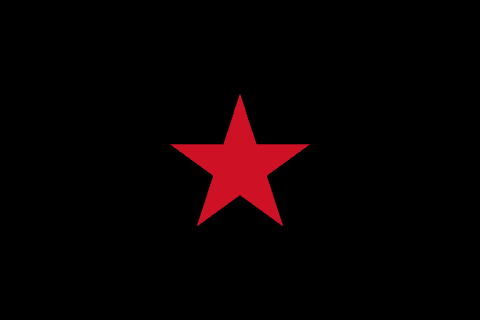
Zapatista territories in southern Mexico, self-governed since 1994 by mostly Maya communities through caracoles and Good Government Councils, rejecting political parties and the state, with cooperative agrarian economy and strong women's leadership.
Also close, by dimension

The most distant
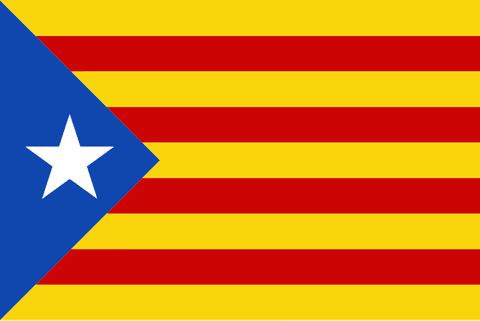
During the Spanish Revolution, regions of Aragon and Catalonia lived an anarchist experiment of collectivizing land and factories, with workers' self-management and social organization without a central state.
Also close, by dimension


The most distant
Ideological proximity
Closest within Anarchist
Anarchist branch that rejects the state and all violence, defending social transformation through nonviolent means, civil disobedience, and voluntary cooperation as the path to a free and just society.
Anarchist branch centered on the countryside, defending autonomous rural communities, collective ownership of land, and peasant cooperation, rejecting the state and land concentration in favor of self-management.
Current that sees revolutionary unions as the basis for overthrowing capitalism through direct action and the general strike, organizing production by the workers themselves in a free, stateless society.
Closest in other spectrums
Current that values indigenous peoples and their rights, defending autonomy, territory, culture, and political participation, along with development models and a plurinational state that respect their traditions.
Movement that places unions and workers' organization at the center of politics, defending collective bargaining, direct action, and labor control over production as the path to working-class emancipation.
Current that attributes intrinsic value to all life and not only to human beings, defending a profound change of values, the reduction of human impact, and respect for the balance of the planet's ecosystems.
The most distant ideology
Techno-FascismThird Position0%