Cameralism
Administrative doctrine of enlightened absolutism that organized the state through a disciplined bureaucracy and centralized finances, promoting industry, population, and revenue as sources of the monarch's power.
Compare with…Home / Ideologies / Cameralism
Administrative doctrine of enlightened absolutism that organized the state through a disciplined bureaucracy and centralized finances, promoting industry, population, and revenue as sources of the monarch's power.
Compare with…In one sentence
I want a realm served by a disciplined bureaucracy and centralized finances, growing industry, population and revenue for the crown.
Political axes
Leans further toward autocracy than 100% of the 276 ideologies in the catalog.
Of all the axes, Representation is where it stands furthest from the rest.
On Technoscience, it sits practically at the catalog median.
Here it shares common ground with most ideologies.
Analytical Summary & Scientific Audit
Cameralism belongs to the Third Position political family across the 12 Axes framework. Core measured positions: Representation: 95% Autocracy; Structure: 94% Unitary; Power: 86% Security; Control: 86% Planning.
Historical or radical ideology calibrated from comparative regime historiography and political thought literature (SEP / OpenAlex).
Primary sources & scientific datasets
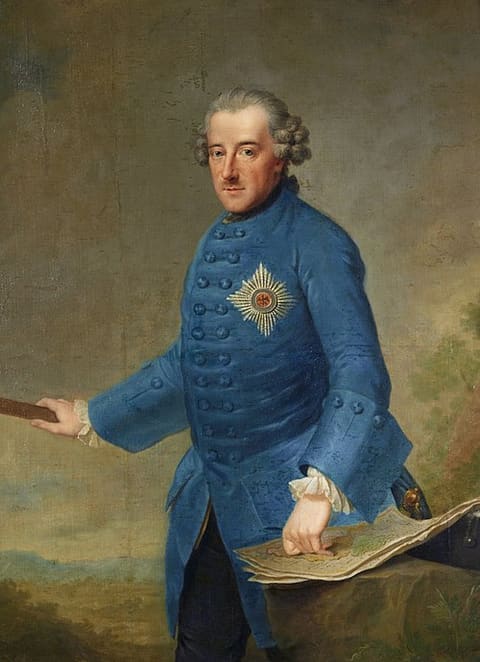
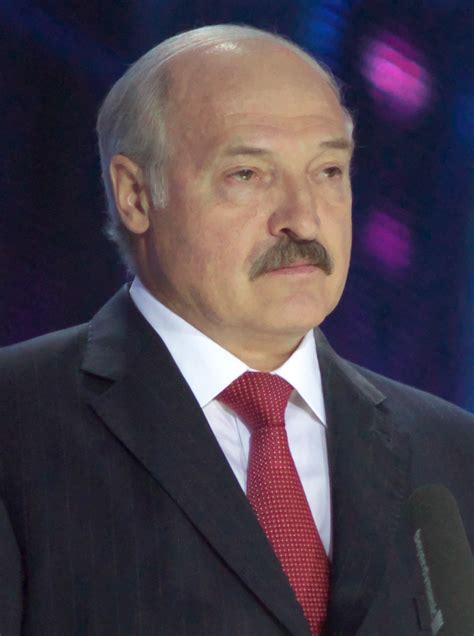
King of Prussia, Frederick the Great made the kingdom a military and administrative power, embodying enlightened despotism and the cameralist state of disciplined bureaucracy, centralized finances, and tolerance.
Closest, by dimension


Other compatible profiles

The most distant
Reference country
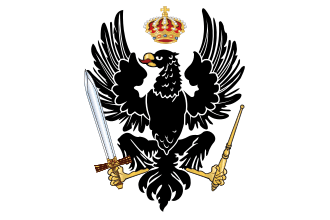
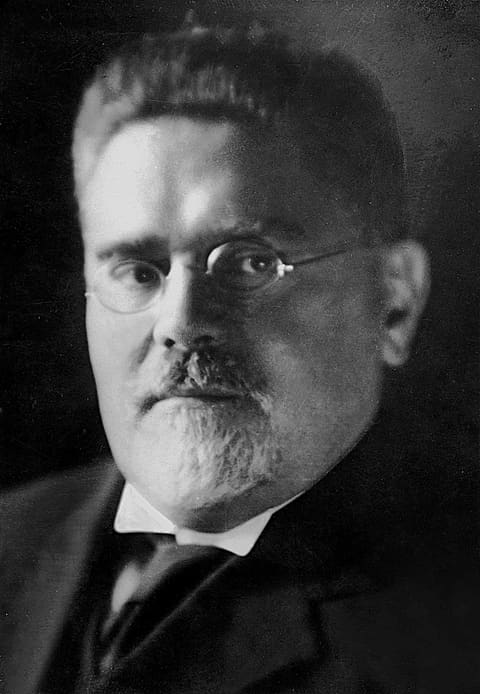
A German kingdom with a strong military and administrative tradition, Prussia united monarchy, a disciplined bureaucracy, and a powerful army, leading German unification and embodying the cameralist state and enlightened despotism.
Other close countries
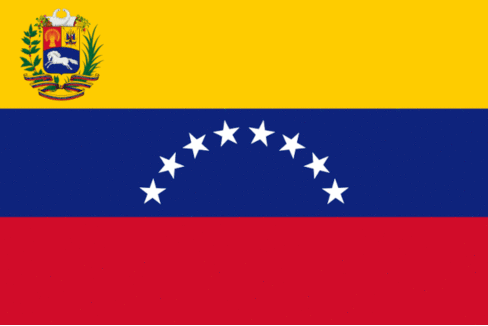
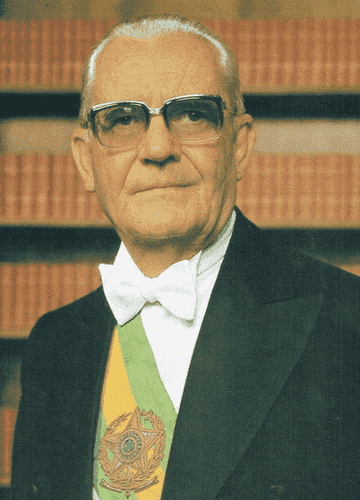
A South American presidential republic, Venezuela lives under an authoritarian regime of socialist and nationalist orientation, marked by concentration of power, a prolonged economic crisis, and heavy emigration of its population.
Also close, by dimension

The most distant
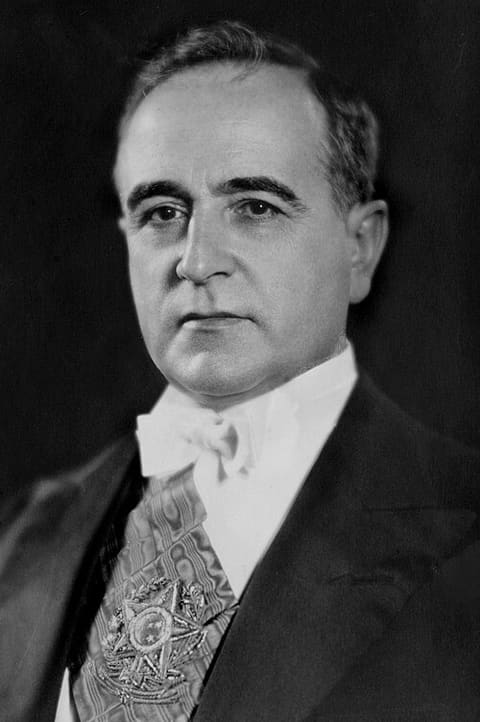
Under Vargas, Brazil experienced a nationalist, developmentalist regime that promoted state-directed industrialization, labor legislation, and the centralization of power, laying the foundations of Brazilian labourism.
Also close, by dimension

The most distant
Ideological proximity
Closest within Third Position
Getúlio Vargas's Estado Novo doctrine joining economic nationalism, a centralized state, state-tied unions, labor law and state firms such as Petrobras, against the regional oligarchies and liberalism.
Model that organizes society into corporations of workers and employers integrated into the state, seeking harmony between classes and directed economic cooperation instead of conflict or free competition.
The fascism of Oswald Mosley and the British Union of Fascists: a single leader, Blackshirts and a corporate state, with an autarkic empire, British nationalism, antisemitism and opposition to liberalism and communism.
Closest in other spectrums
Model inspired by Park Chung-hee's regime, combining state-led industrialization, credit for private firms, and planning with anti-communist political repression.
21st-century doctrine of the CPC associated with Xi Jinping. It combines centralized Party leadership and socialist modernization, advocating national rejuvenation, predominant public ownership, and a socialist market with private enterprise and technological innovation.
Model in which the state directs industrialization and economic growth through planning, public investment, and industrial protection, seeking to overcome the nation's backwardness and external dependence.
The most distant ideology
Techno-AnarchismAnarchist0%