Catholicism
Social doctrine of the Catholic Church, combining traditionalist morality and defense of life with concern for social justice, subsidiarity and worker dignity, under the hierarchical authority of the papacy and canon law.
Compare with…Home / Ideologies / Catholicism
Social doctrine of the Catholic Church, combining traditionalist morality and defense of life with concern for social justice, subsidiarity and worker dignity, under the hierarchical authority of the papacy and canon law.
Compare with…In one sentence
I want a society of traditional morality and defense of life, with social justice and subsidiarity under the authority of the papacy.
Political axes
Leans further toward religious than 86% of the 276 ideologies in the catalog.
Of all the axes, Religion is where it stands furthest from the rest.
On Ecology, it sits practically at the catalog median.
Here it shares common ground with most ideologies.
Analytical Summary & Scientific Audit
Catholicism belongs to the Right political family across the 12 Axes framework. Core measured positions: Religion: 85% Religious; Morality: 80% Traditionalist; Structure: 73% Unitary; Geopolitics: 70% Pacifist.
Ideology calibrated from canonical comparative Political Science literature (Heywood, Bobbio, Freeden, MARPOR and CHES).
Primary sources & scientific datasets
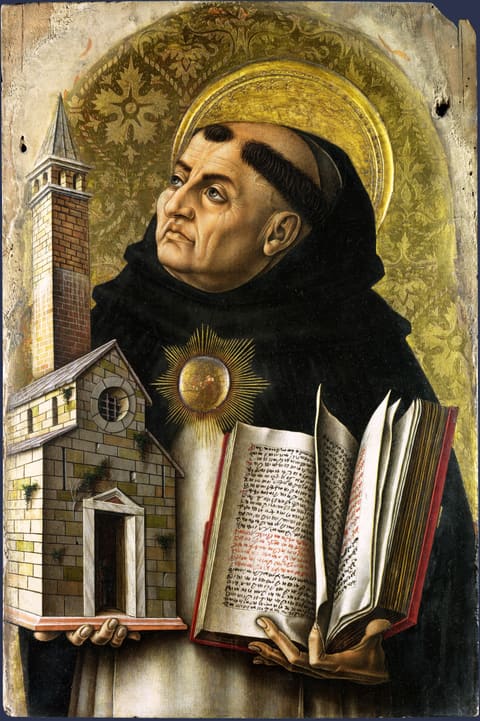
A Dominican friar and the foremost systematizer of medieval scholasticism, Thomas Aquinas fused Aristotelian philosophy with Christian theology in the Summa Theologica, arguing for natural law as the basis of moral and political order, the authority of the Church and the Christian monarch, and hierarchy as the earthly reflection of divine order.
Closest, by dimension

Other compatible profiles



The most distant
Reference country
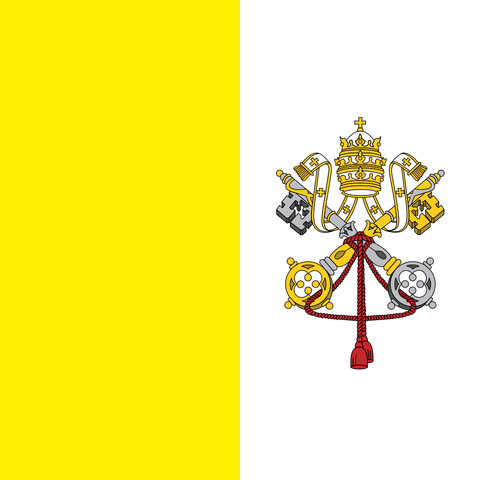
A city-state governed by the Holy See, the Vatican combines religious sovereignty, an absolute elective monarchy, and clerical administration, functioning as the institutional center of the Catholic Church and a global diplomatic actor.
Other close countries
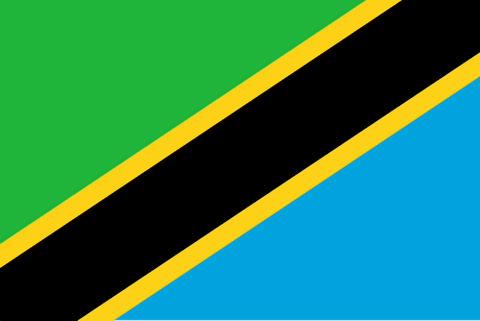
A presidential republic under a dominant party, Tanzania has been governed by the CCM since independence, heir to Nyerere's ujamaa socialism, with a union of mainland and Zanzibar, gradual economic opening and growing repression of the opposition.
Also close, by dimension
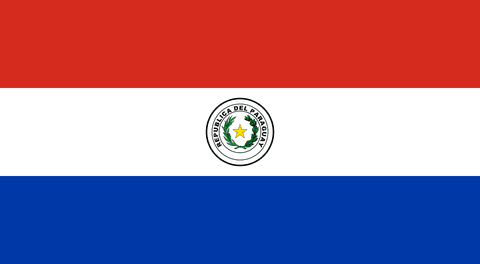

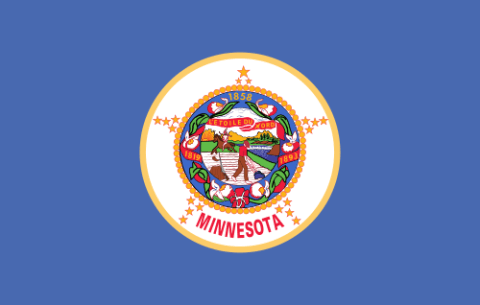
The most distant
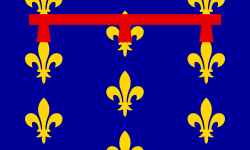
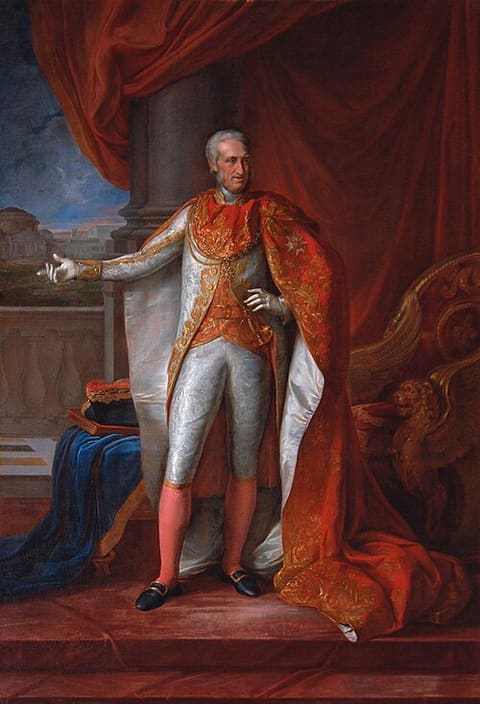
Bourbon realm of southern Italy with an agrarian base, popular Catholic piety, counter-revolutionary resistance, and royal centralism prior to unification.
Also close, by dimension
The most distant
Ideological proximity
Closest within Right
Conservative tradition that accepts social reforms and protection for the poorest to preserve national cohesion, seeing elites as responsible for the people's welfare and for harmony between classes.
Nineteenth-century constitutional monarchy model in which the monarch exercises a fourth Moderating Power above the Executive, Legislative and Judiciary, arbitrating conflicts and guaranteeing stability over an agrarian economy.
Revival of Thomas Aquinas's thought from 1879 (Leo XIII), with Maritain and Gilson. It grounds politics in natural law, the common good and subsidiarity, favoring mixed government, property with a social function and just war, under Catholic faith.
Closest in other spectrums
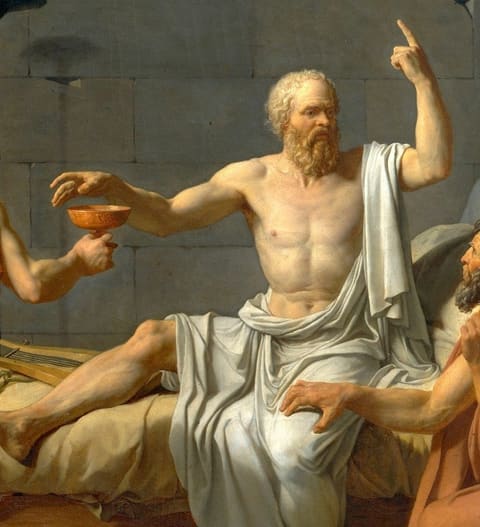
Socrates' dialectical method, examining beliefs through rational questioning and the pursuit of virtue, distrustful of mass politics and the rhetoric of demagogues, yet respectful of the city's rule of law.
Authoritarian, corporatist, Catholic regime of Dollfuss and Schuschnigg (1934–1938): single party (Fatherland Front), a Ständestaat inspired by Quadragesimo Anno, repression of socialists and Nazis, and defense of a German, Christian, independent Austria.
Model that organizes society into corporations of workers and employers integrated into the state, seeking harmony between classes and directed economic cooperation instead of conflict or free competition.
The most distant ideology
Techno-SocialismRadical Left9%