Kemalist Nationalism
Doctrine of Mustafa Kemal Atatürk that founded modern Turkey on six arrows: republicanism, nationalism, populism, statism, laicism and reformism, imposing Westernization and state control of religion from above.
Compare with…Home / Ideologies / Kemalist Nationalism
Doctrine of Mustafa Kemal Atatürk that founded modern Turkey on six arrows: republicanism, nationalism, populism, statism, laicism and reformism, imposing Westernization and state control of religion from above.
Compare with…In one sentence
I want a secular, modern Turkish republic, with religion under state control, one national identity and industry built by the state.
Political axes
Leans further toward assimilation than 88% of the 276 ideologies in the catalog.
Of all the axes, Immigration is where it stands furthest from the rest.
On Morality, it sits practically at the catalog median.
Here it shares common ground with most ideologies.
Analytical Summary & Scientific Audit
Kemalist Nationalism belongs to the Third Position political family across the 12 Axes framework. Core measured positions: Structure: 90% Unitary; Immigration: 82% Assimilation; Religion: 79% Secular; Power: 77% Security.
Historical or radical ideology calibrated from comparative regime historiography and political thought literature (SEP / OpenAlex).
Primary sources & scientific datasets
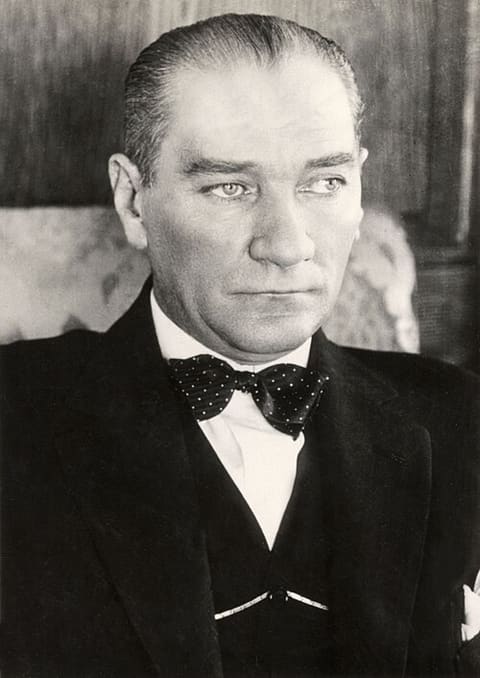
Founder of modern Turkey, Atatürk imposed radical modernization from above, with secularization, a new alphabet, civil rights for women, and developmentalist nationalism, breaking with the Ottoman and religious heritage.
Closest, by dimension
Other compatible profiles
The most distant
Reference country
A republic founded by Mustafa Kemal Atatürk on the ruins of the Ottoman Empire, Kemalist Turkey abolished the caliphate and imposed laicism, the Latin alphabet, women's rights, and economic statism under the single-party CHP.
Other close countries
A single-party socialist state, Vietnam maintains the Communist Party's political control alongside market reforms that opened the economy, promoting rapid industrial growth and integration into global trade.
Also close, by dimension
The most distant
A republic founded by Mustafa Kemal Atatürk on the ruins of the Ottoman Empire, Kemalist Turkey abolished the caliphate and imposed laicism, the Latin alphabet, women's rights, and economic statism under the single-party CHP.
Also close, by dimension
The most distant
Ideological proximity
Closest within Third Position
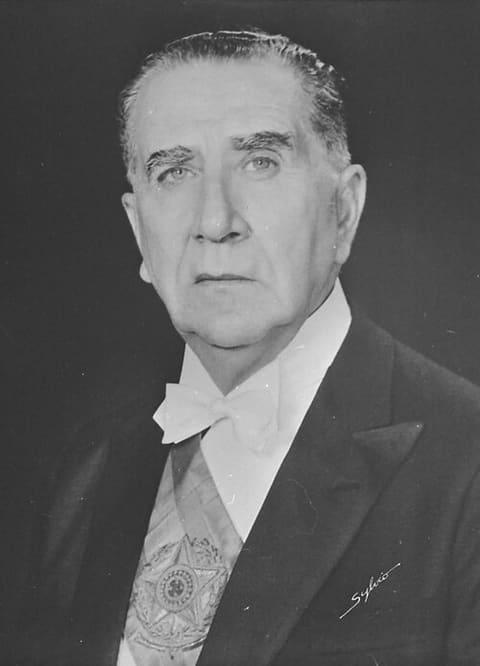
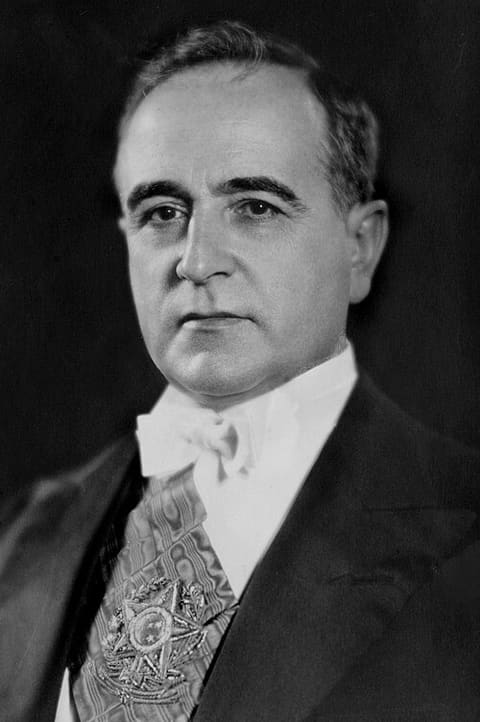
Getúlio Vargas's Estado Novo doctrine joining economic nationalism, a centralized state, state-tied unions, labor law and state firms such as Petrobras, against the regional oligarchies and liberalism.
Syncretic ideology, also called NazBol, that fuses revolutionary socialism and radical nationalism, combining a collectivist economy, state authoritarianism, and rejection of liberalism, the West, and bourgeois individualism.
Movement of Filippo Marinetti that exalted speed, machines, industry and war as the world's hygiene, preaching nationalism, anticlericalism and a break with the past, and that helped found Italian fascism.
Closest in other spectrums
21st-century doctrine of the CPC associated with Xi Jinping. It combines centralized Party leadership and socialist modernization, advocating national rejuvenation, predominant public ownership, and a socialist market with private enterprise and technological innovation.
Model in which the state directs industrialization and economic growth through planning, public investment, and industrial protection, seeking to overcome the nation's backwardness and external dependence.
Current that advocates industrialization, national sovereignty, and strategic state planning, seeking to modernize the economy through public investment, productive protection, and coordination between government, science, and national companies.
The most distant ideology
Anarcho-NaturismAnarchist5%