Ba'athist Socialism
An Arab current of state socialism combining pan-Arab nationalism, a vanguard party, planning, land reform and control of strategic sectors, advocating Arab unity, secularism and independence from imperialism.
Compare with…Home / Ideologies / Ba'athist Socialism
An Arab current of state socialism combining pan-Arab nationalism, a vanguard party, planning, land reform and control of strategic sectors, advocating Arab unity, secularism and independence from imperialism.
Compare with…In one sentence
I want the Arab nation united by a revolutionary party, with state socialism, land reform, secularism and independence from imperialism.
Political axes
Leans further toward unitary than 99% of the 276 ideologies in the catalog.
Of all the axes, Structure is where it stands furthest from the rest.
On Control, it sits close to the catalog median.
Here it shares common ground with most ideologies.
Analytical Summary & Scientific Audit
Ba'athist Socialism belongs to the Third Position political family across the 12 Axes framework. Core measured positions: Structure: 99% Unitary; Trade: 76% Protectionism; Representation: 76% Autocracy; Power: 76% Security.
Historical or radical ideology calibrated from comparative regime historiography and political thought literature (SEP / OpenAlex).
Primary sources & scientific datasets

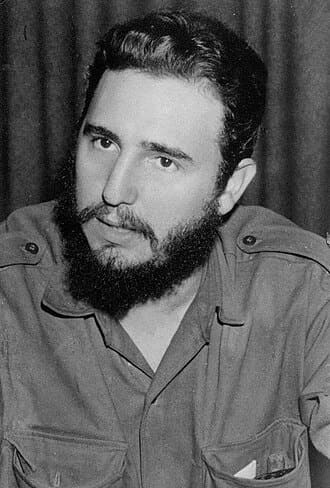
Syrian president from 1971 to 2000, Hafez al-Assad consolidated a militarized authoritarian Ba’athist state, combining Arab socialism, nationalism, single-party rule, patronage and pragmatic regional diplomacy.
Closest, by dimension


Other compatible profiles





The most distant
Reference country
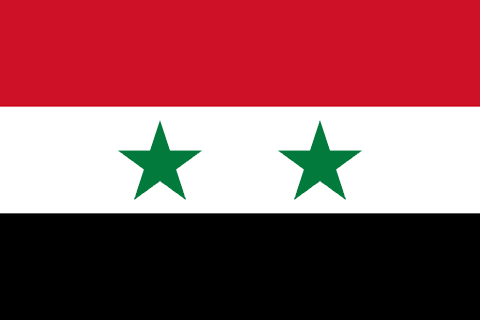
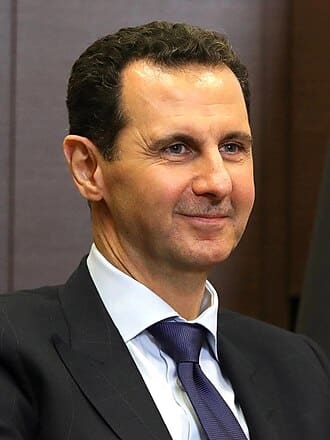
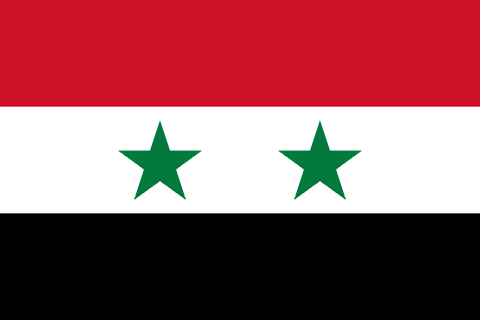
Under Bashar al-Assad (2000–2024), Syria was a centralized Ba'athist regime sustained by security forces, a clientelist state economy, and alliances with Russia and Iran during the civil war.
Other close countries
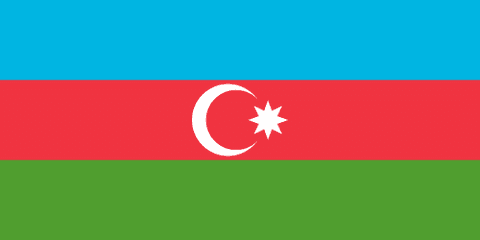
An authoritarian presidential republic of the Aliyev family in the Caucasus, Azerbaijan is Shia-majority but a secular state, lives on oil and gas and retook Nagorno-Karabakh in 2023, allied with Turkey and balanced between Russia and Israel.
Also close, by dimension

The most distant

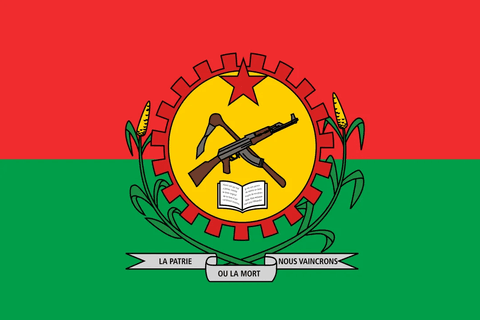
The People's Republic of Poland, a Warsaw Pact one-party state under the Polish United Workers' Party, combined a planned economy with mostly private farming, a strong Catholic Church and workers' revolts, until Solidarity's victory in 1989.
Also close, by dimension

The most distant
Ideological proximity
Closest within Third Position
Syncretic ideology, also called NazBol, that fuses revolutionary socialism and radical nationalism, combining a collectivist economy, state authoritarianism, and rejection of liberalism, the West, and bourgeois individualism.
Doctrine of Mustafa Kemal Atatürk that founded modern Turkey on six arrows: republicanism, nationalism, populism, statism, laicism and reformism, imposing Westernization and state control of religion from above.
The fascism of Oswald Mosley and the British Union of Fascists: a single leader, Blackshirts and a corporate state, with an autarkic empire, British nationalism, antisemitism and opposition to liberalism and communism.
Closest in other spectrums
Current that combines a planned socialist economy with a strong national identity, prioritizing the sovereignty and interests of its own country over internationalism, often under personalist and centralized leadership.
21st-century doctrine of the CPC associated with Xi Jinping. It combines centralized Party leadership and socialist modernization, advocating national rejuvenation, predominant public ownership, and a socialist market with private enterprise and technological innovation.
Caesarist current that legitimises a charismatic leader by plebiscite above parties, combining personal authority, bureaucratic centralisation, military mobilisation and state-led modernising reforms.
The most distant ideology
Anarcho-PacifismAnarchist2%