Home / Countries / Nepal

Unstable secular federal republicModern country

Nepal

A former Hindu kingdom, Nepal has been a secular federal republic since 2008, after the Maoist civil war, with unstable coalitions, an economy of remittances, tourism and hydropower, dependence on India and China and Gen Z protests in 2025 that toppled the government.

Predominant spectrum
Left
Closest ideology
Labourism
Closest personality
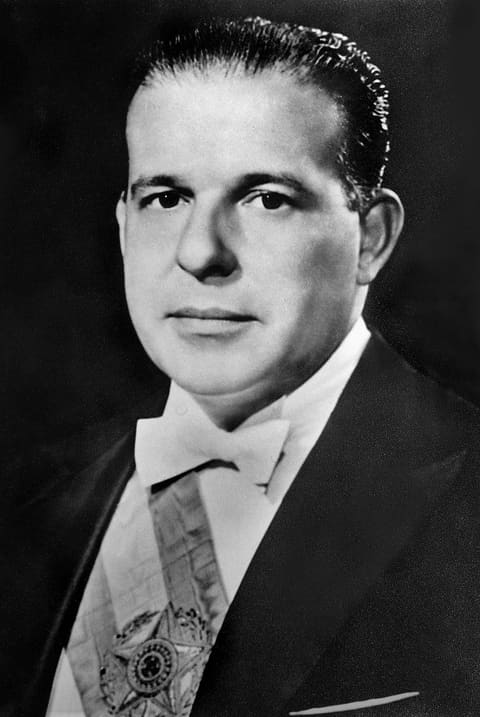
Ulysses Guimarães
Compare with…
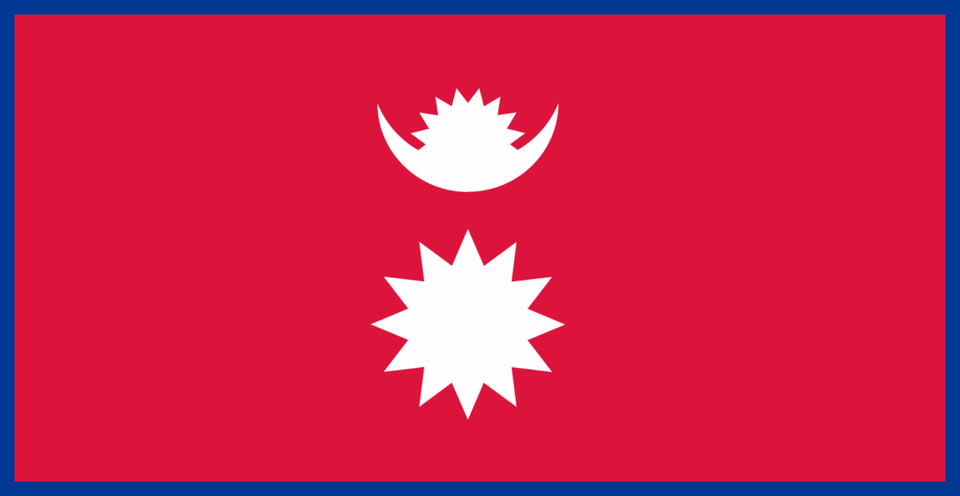
Flag: Nepal

Political axes

Profile across the 13 axes

  • Structure

    Balanced
    Federal45%
    Unitary55%
  • Representation

    Strong · Democracy
    Democracy82%
    Autocracy18%
  • Power

    Balanced
    Security53%
    Liberty47%
  • Immigration

    Balanced
    Assimilation54%
    Multiculturalism46%
  • Geopolitics

    Leaning · Pacifist
    Militarist31%
    Pacifist69%
  • Sovereignty

    Leaning · Multilateralist
    Sovereigntist41%
    Multilateralist59%
  • Economy

    Leaning · Public
    Public60%
    Private40%
  • Control

    Leaning · Planning
    Planning70%
    Free market30%
  • Trade

    Balanced
    Protectionism56%
    Free trade44%
  • Religion

    Strong · Religious
    Secular25%
    Religious75%
  • Morality

    Leaning · Traditionalist
    Progressive38%
    Traditionalist62%
  • Ecology

    Balanced
    Conservation49%
    Productivism51%
  • Technoscience

    Balanced
    Acceleration45%
    Precaution55%

What sets Nepal apart

Most unusual position

Representation

Leans further toward democracy than 84% of the 320 countries and regimes in the catalog.

Country median 50Nepal 82

Of all the axes, Representation is where it stands furthest from the rest.

Most common position

Religion

On Religion, it sits close to the catalog median.

Country median 33Nepal 25

Here it shares common ground with most countries.

Analytical Summary & Scientific Audit

12-Axis Synthesis & Primary Sources

Verified Methodological Grounding

Nepal exhibits a predominantly Left institutional profile on comparative datasets. Core measured traits: Representation: 82% Democracy; Religion: 75% Religious; Control: 70% Planning; Geopolitics: 69% Pacifist.

Baseline vector referenced against comparative institutional, fiscal and trade indices (V-Dem, IMF, KOF).

Primary sources & scientific datasets