Georgist Distributism
Fusion of distributism and Georgism promoting widespread family ownership of productive property combined with land value taxation to prevent monopolies and state collectivism.
Compare with…Home / Ideologies / Georgist Distributism
Fusion of distributism and Georgism promoting widespread family ownership of productive property combined with land value taxation to prevent monopolies and state collectivism.
Compare with…In one sentence
I want widespread family productive ownership and curbs on land speculation, free from monopolies and state collectivism.
Political axes
Leans further toward religious than 91% of the 276 ideologies in the catalog.
Of all the axes, Religion is where it stands furthest from the rest.
On Economy, it sits practically at the catalog median.
Here it shares common ground with most ideologies.
Analytical Summary & Scientific Audit
Georgist Distributism belongs to the Center political family across the 12 Axes framework. Core measured positions: Representation: 94% Democracy; Religion: 91% Religious; Technoscience: 89% Precaution; Structure: 88% Federal.
Chesterton-George synthesis: promotes widespread small private productive property alongside a land-value single tax (`economia` `81.0 -> 56.0`, `comercio` `69.3 -> 42.0`).
Primary sources & scientific datasets
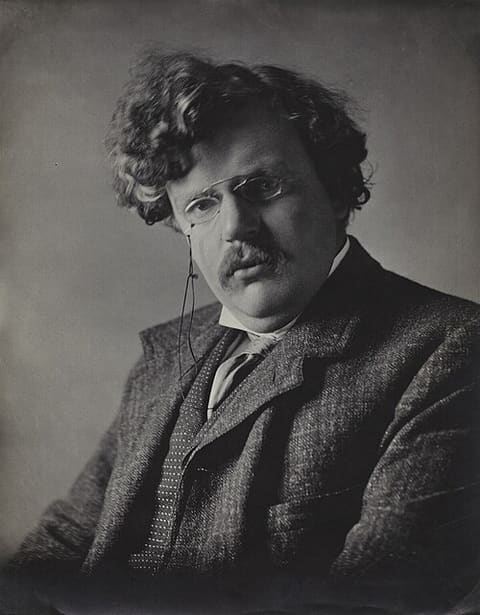
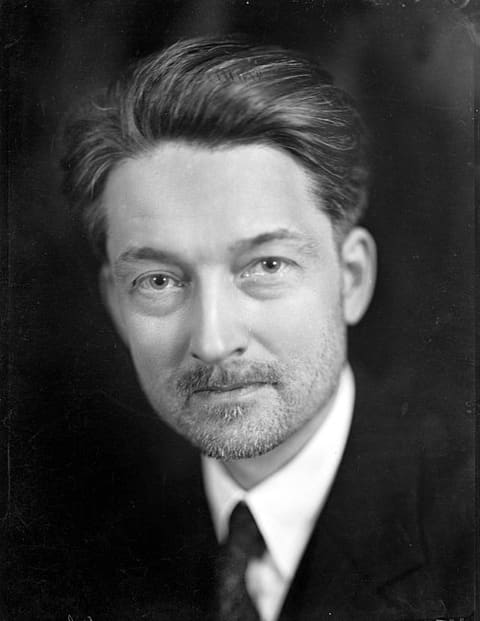
A British writer, Chesterton popularized distributism, defending the wide distribution of property and small-scale production against monopoly capitalism and state socialism, with strong Christian inspiration.
Closest, by dimension


Other compatible profiles





The most distant
Reference country

A parliamentary monarchy, the United Kingdom has a long liberal and democratic tradition, a market economy, and a strong financial sector, maintaining global influence after leaving the European Union in the process known as Brexit.
Other close countries
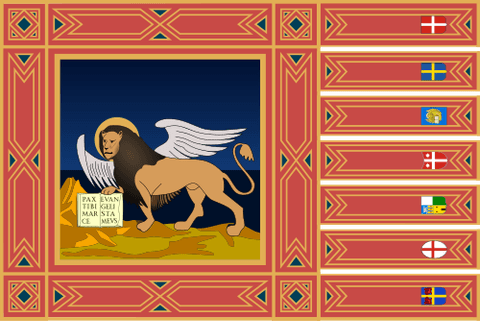
Region of northeastern Italy, Veneto combines small export firms, a Catholic and Christian-democratic tradition, Lega autonomism and a strong Venetian identity, having voted by a wide majority in 2017 for greater fiscal autonomy.
Also close, by dimension
The most distant

Medieval alliance of autonomous cantons formed from the 1291 Pact, the Old Swiss Confederacy operated without a strong central power, combining direct democracy in local assemblies (Landsgemeinde), independent peasant militias, and weak joint military/diplomatic coordination among the cantons.
Also close, by dimension


The most distant
Ideological proximity
Closest within Center
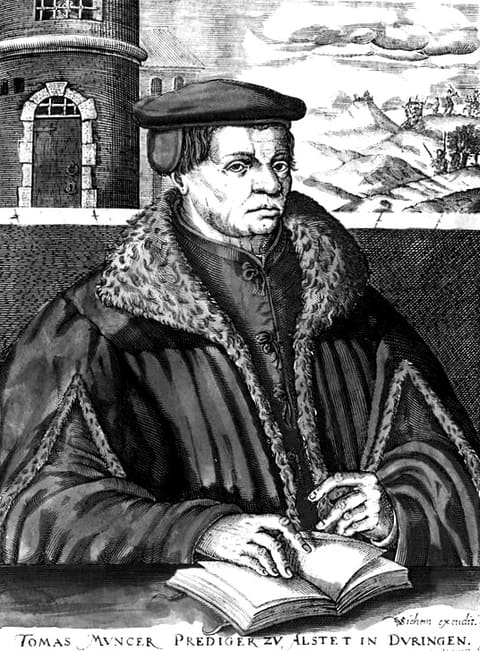
Doctrine of Christian inspiration that advocates the wide distribution of property and small-scale production, opposing both monopoly capitalism and state socialism in favor of autonomous communities.
Branch that unites conservatism and environmental protection, defending the preservation of nature as part of the tradition and heritage to be passed on to future generations, with prudence toward change.
Current that values community bonds, traditions, and the common good above individualism, holding that justice and identity arise from life in community and the responsibilities people share.
Closest in other spectrums
Branch that combines the defense of workers and social justice with Christian values, promoting labor rights, solidarity, and social protection within democracy, inspired by the social doctrine of the Church.
American traditionalist right, of Buchanan and Kirk, defending Christian heritage, localism and states' rights, immigration restriction, protectionism and non-interventionism, against neoconservatives and the managerial state.
Synthesis of anarchism and distributism that defends the wide distribution of property and small-scale production, with autonomous communities and cooperatives organized without a state or large monopolies.
The most distant ideology
Techno-SocialismRadical Left0%